
Essential Tips for Choosing a Drywall Contractor in Michigan
How to Choose the Right Drywall Contractor for Your Home Renovation in Michigan
By Framing to Dry Wall, Framing to Drywall Inc.
Choosing the right drywall contractor for your home renovation is a critical decision that can significantly impact the quality and outcome of your project. With numerous options available, homeowners often find themselves overwhelmed by the choices. This article aims to guide you through the essential factors to consider when selecting a drywall contractor, ensuring you make an informed decision that aligns with your renovation goals. We will explore key aspects such as credentials, experience, and customer reviews, as well as the importance of professional demolition and framing services. By the end of this guide, you will have a clear understanding of how to evaluate potential contractors effectively.
Indeed, selecting the wrong contractor can lead to significant issues, including unexpected expenses and project delays.
Contractor Selection: Avoiding Renovation Cost Overruns
The improper contractor’s choice could activate cost overruns, lag, conflicts, declines, imperfect performance or added expenditure for project administration and accomplishment. This paper submits the quantitative and qualitative criteria setting for selecting heritage’s contractor.
Contractor selection for renovation of cultural heritage buildings by PROMETHEE method, V Podvezko, 2019
How to Select an Expert Drywall Contractor in Michigan
When selecting a drywall contractor, several key factors should guide your decision-making process. These include:
- Qualifications: Ensure the contractor has the necessary licenses and certifications to operate in Michigan.
- Experience: Look for contractors with a proven track record in drywall installation and renovation projects.
- Pricing: Obtain detailed estimates to understand the cost structure and ensure it fits your budget.
- Customer Reviews: Research feedback from previous clients to gauge the contractor’s reliability and quality of work.
- Project Management: Assess the contractor’s ability to manage timelines and communicate effectively throughout the project.
By focusing on these factors, you can narrow down your options and find a contractor who meets your specific needs.
A robust evaluation process is key to ensuring you partner with a contractor who has a proven track record of quality performance.
Contractor Evaluation for Performance Quality
The contractor evaluation process is effective in limiting contractors with a history of poor performance from Cabinet contracts.
Contractor evaluations in the contractor selection process., TRB Taylor, 2014
What Credentials and Qualifications Should You Verify in a Licensed Drywall Contractor?

Verifying the credentials and qualifications of a drywall contractor is essential to ensure you are hiring a professional who adheres to industry standards. Key aspects to consider include:
- Licenses: Confirm that the contractor holds a valid license to operate in Michigan, which demonstrates compliance with state regulations.
- Certifications: Look for additional certifications that indicate specialized training in drywall installation and finishing techniques.
- Insurance Requirements: Ensure the contractor has liability insurance and workers’ compensation coverage to protect you from potential liabilities.
- Relevant Experience: Inquire about the contractor’s experience with projects similar to yours, as this can impact the quality of work.
- Safety Standards: Verify that the contractor follows safety protocols to protect both workers and your property during the renovation process.
Framing To Drywall is a Michigan-based interior construction company specializing in comprehensive services, including drywall installation and finishing. Their expertise ensures that your project is handled with the utmost professionalism and care.
How to Confirm Licensing and Insurance for Southeast Michigan Contractors
To confirm the licensing and insurance of drywall contractors in Southeast Michigan, follow these steps:
- Request Documentation: Ask the contractor to provide copies of their license and insurance certificates.
- Verify License: Check with the Michigan Department of Licensing and Regulatory Affairs to ensure the contractor’s license is active and in good standing.
- Insurance Verification: Contact the insurance provider listed on the contractor’s certificate to confirm coverage and validity.
- Reputable Sources for Verification: Utilize online resources and local business directories to gather additional information about the contractor’s reputation and history.
By taking these steps, you can ensure that the contractor you choose is qualified and insured, providing peace of mind for your renovation project.
Why Contractor Experience and Customer Reviews Matter in Drywall Installation Services
The experience of a drywall contractor plays a crucial role in the success of your renovation project. Experienced contractors are more likely to deliver high-quality work, as they have honed their skills over time. Additionally, customer reviews provide valuable insights into a contractor’s reliability and workmanship. Here are some reasons why these factors matter:
- Quality of Work: Experienced contractors are familiar with best practices and common challenges, allowing them to produce superior results.
- Reliability: Customer reviews can reveal patterns in a contractor’s punctuality, communication, and overall professionalism.
- Customer Satisfaction: Positive feedback from previous clients indicates a contractor’s commitment to meeting client expectations and delivering satisfactory results.
By prioritizing experience and customer reviews, you can select a contractor who is well-equipped to handle your drywall installation needs.
What Are the Key Differences Between Wood and Metal Framing in Home Renovations?
When it comes to framing for drywall installation, understanding the differences between wood and metal framing is essential. Each option has its advantages and disadvantages, which can influence your renovation project. Here’s a comparison of the two:
Choosing the right framing type depends on your specific project requirements, budget, and long-term goals.
How Wood Framing Supports Drywall Installation and Structural Integrity
Wood framing is a traditional method that has been used for decades in residential construction. It provides several benefits for drywall installation, including:
- Foundation for Drywall: Wood framing creates a solid structure that supports drywall sheets, ensuring they are securely attached.
- Load-Bearing Capacity: Properly installed wood framing can bear significant weight, making it suitable for various design elements.
- Custom Designs: Wood framing allows for flexibility in design, enabling homeowners to create unique layouts and features.
Understanding the role of wood framing in drywall installation can help you make informed decisions about your renovation project.
Advantages of Metal Framing for Commercial Drywall Repair Services
Metal framing is increasingly popular in commercial construction due to its numerous advantages. Some key benefits include:
- Durability: Metal framing is resistant to warping, cracking, and pests, ensuring a long-lasting structure.
- Precision: Metal studs are manufactured to exact specifications, allowing for more precise installations.
- Fire and Moisture Resistance: Metal framing does not absorb moisture, reducing the risk of mold and fire hazards.
These advantages make metal framing an excellent choice for commercial drywall repair services, where durability and safety are paramount.
How Does Professional Demolition Prepare Your Home for Quality Drywall Installation?
Professional demolition is a critical step in the renovation process, especially when preparing for drywall installation. It involves safely removing existing structures and materials to create a clean slate for new work. Key aspects of professional demolition include:
- Assessment and Planning: A thorough assessment of the site ensures that all necessary precautions are taken before demolition begins.
- Safety Precautions: Professional demolition teams follow strict safety protocols to protect workers and your property during the process.
- Site Cleanup: After demolition, the site is cleaned and prepared for the next phase of construction, ensuring a smooth transition to drywall installation.
By investing in professional demolition services, you can ensure that your home is adequately prepared for quality drywall installation.
Safety Standards and Best Practices in Interior Demolition Services
Safety is paramount in interior demolition services. Contractors must adhere to strict safety standards to protect both workers and homeowners. Key safety practices include:
- Safety Protocols: Implementing safety measures such as protective gear, proper equipment handling, and site safety assessments.
- Site Preparation: Ensuring that the work area is clear of hazards and that all necessary permits are obtained before starting demolition.
- Efficient Debris Removal: Properly managing debris and waste to minimize risks and maintain a clean work environment.
By prioritizing safety standards, contractors can ensure a safe and efficient demolition process.
Impact of Proper Demolition on Framing and Drywall Finishing Quality
Proper demolition significantly impacts the quality of framing and drywall finishing. When executed correctly, it lays the groundwork for a successful renovation. Key impacts include:
- Foundation for Drywall Installation: A clean and well-prepared site allows for better adhesion and alignment of drywall sheets.
- Efficiency: Proper demolition reduces the likelihood of delays and complications during the framing and finishing stages.
- Quality Assurance: Ensuring that all existing materials are removed correctly helps maintain the integrity of the new installation.
Understanding the importance of proper demolition can help you appreciate the value of hiring experienced professionals for your renovation project.
What Are the Essential Drywall Installation and Finishing Techniques for Durable Walls?
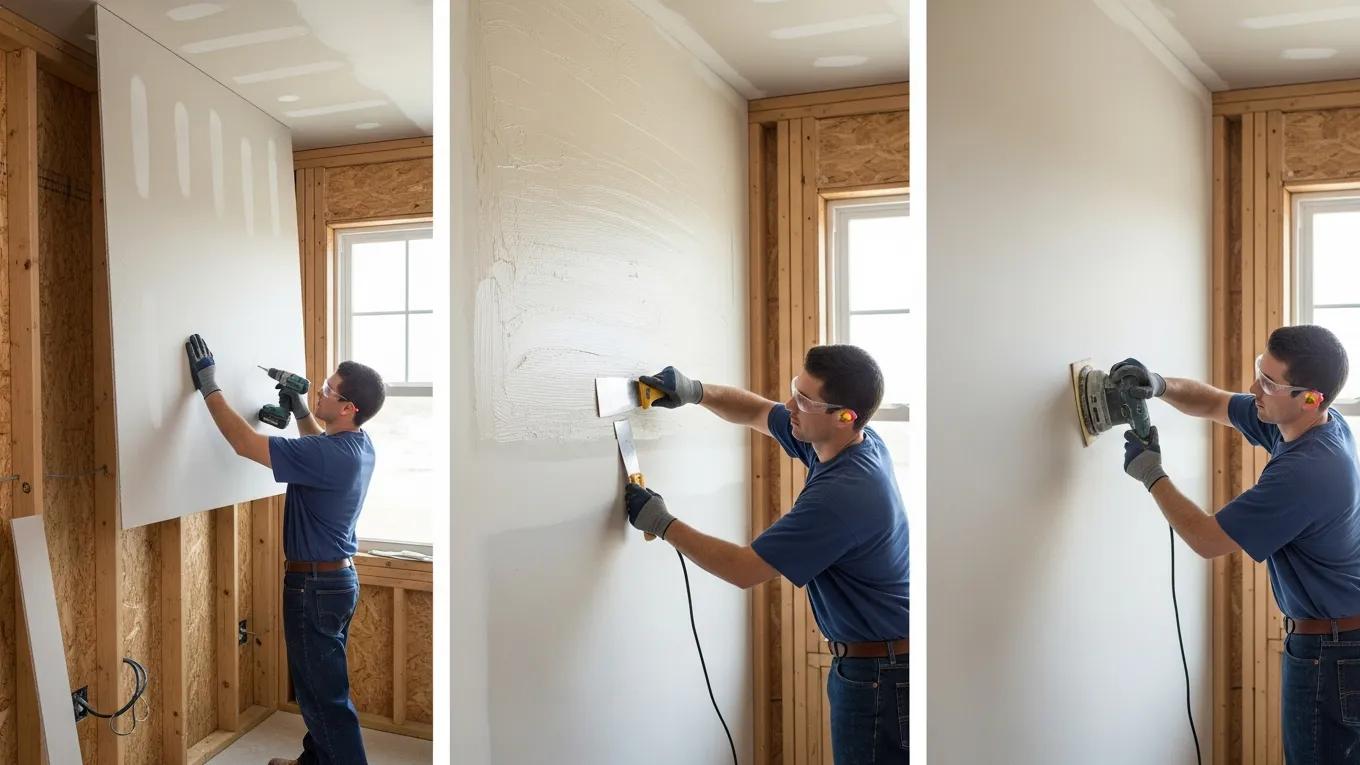
To achieve durable walls, several essential drywall installation and finishing techniques should be employed. These include:
- Preparation: Ensuring that the framing is level and clean before installing drywall sheets.
- Materials: Using high-quality drywall and finishing materials to enhance durability and appearance.
- Installation Techniques: Employing proper hanging, taping, and sanding methods to create a smooth and seamless finish.
By following these techniques, contractors can ensure that the drywall installation is both aesthetically pleasing and long-lasting.
Adhering to established standards for drywall finishing is crucial for achieving a professional and durable result.
Drywall Finishing Standards for Quality Work
This manual, a self-study guide for apprentices in the drywall finishing trade in British Columbia, attempts to establish standards for the trade. It tells how to produce a properly taped and filled drywall surface and describes what that surface should look like. The standards emphasize quality work that can be realistically achieved on the job.
Drywall Finishing Manual., 1983
Step-by-Step Drywall Hanging, Taping, and Sanding Processes
The process of drywall installation involves several critical steps:
- Hanging: Drywall sheets are attached to the framing using screws or nails, ensuring they are flush and secure.
- Taping: Joints between drywall sheets are covered with tape and joint compound to create a smooth surface.
- Sanding: Once the joint compound is dry, sanding is performed to achieve a seamless finish.
These steps are essential for ensuring that the drywall is installed correctly and ready for painting or finishing.
Benefits of Moisture-Resistant Drywall Options in Michigan Renovations
In Michigan, where humidity levels can fluctuate, moisture-resistant drywall options offer several benefits:
- Mold and Mildew Resistance: Moisture-resistant drywall helps prevent the growth of mold and mildew, ensuring a healthier indoor environment.
- Enhanced Durability: These products are designed to withstand moisture, making them ideal for areas prone to dampness, such as bathrooms and basements.
- Cost Considerations: While moisture-resistant drywall may have a higher upfront cost, it can save money in the long run by reducing the need for repairs and replacements.
Choosing moisture-resistant drywall is a smart investment for homeowners looking to enhance the longevity of their renovations.
How Can Painting and Acoustic Ceiling Services Enhance Your Renovation’s Final Appearance?
Painting and acoustic ceiling services play a vital role in the overall aesthetic of your renovation. These services can enhance the final appearance of your space in several ways:
- Aesthetic Benefits: A fresh coat of paint can transform a room, adding color and personality to your home.
- Cost Considerations: Investing in professional painting services can ensure a high-quality finish that lasts longer than DIY efforts.
- Tips for Selecting Services: When choosing painting and acoustic ceiling services, look for contractors with experience and positive customer reviews.
By incorporating these services into your renovation, you can achieve a polished and cohesive look.
Selecting Painting Services That Complement Drywall Finishes
When selecting painting services, it’s essential to choose options that complement your drywall finishes. Consider the following:
- Paint Types: Opt for high-quality paints that are compatible with your drywall material and finish.
- Cohesive Look: Ensure that the color palette and finish style align with your overall design vision.
- Professional Services: Hiring experienced painters can help achieve a flawless finish that enhances the beauty of your drywall.
By carefully selecting painting services, you can elevate the overall aesthetic of your renovation.
Advantages of Professional Acoustic Ceiling Installation for Home and Commercial Spaces
Professional acoustic ceiling installation offers several advantages for both home and commercial spaces:
- Soundproofing: Acoustic ceilings help reduce noise transmission, creating a quieter and more comfortable environment.
- Aesthetic Improvements: These ceilings can enhance the visual appeal of a space while providing functional benefits.
- Energy Efficiency: Acoustic ceilings can contribute to energy savings by improving insulation and reducing heating and cooling costs.
Investing in professional acoustic ceiling installation can significantly enhance the functionality and appearance of your space.
What Questions Should You Ask to Choose the Best Drywall Contractor Near You?
When evaluating potential drywall contractors, asking the right questions can help you make an informed decision. Consider the following:
- Licensing and Insurance: Are you licensed and insured to operate in Michigan?
- Experience: How many years have you been in the drywall installation business?
- References: Can you provide references from previous clients?
These questions can help you gauge the contractor’s qualifications and reliability.
How to Evaluate Pricing, Project Timelines, and Warranty Offers
Evaluating pricing, project timelines, and warranty offers is crucial when selecting a drywall contractor. Here are some tips:
- Pricing Evaluation: Obtain detailed estimates from multiple contractors to compare costs and services.
- Project Timelines: Discuss expected timelines for completion and any potential delays.
- Warranty Offers: Inquire about warranty options for both materials and workmanship to ensure long-term satisfaction.
By carefully evaluating these factors, you can choose a contractor who meets your budget and timeline requirements.
Understanding Contractor Communication and Client Support Practices
Effective communication and client support are essential for a successful renovation project. Consider the following practices:
- Clear Questions: Ask specific questions about the project to ensure mutual understanding.
- Discuss Project Timelines: Regularly communicate about timelines and any changes that may arise.
- Request Examples of Previous Work: Reviewing past projects can provide insight into the contractor’s capabilities and style.
By prioritizing communication, you can foster a positive working relationship with your contractor.
If you’re looking to see examples of previous work, you can view the Framing to Drywall gallery.