
Metal vs. Wood Framing: Which is Right for Your Commercial Project?
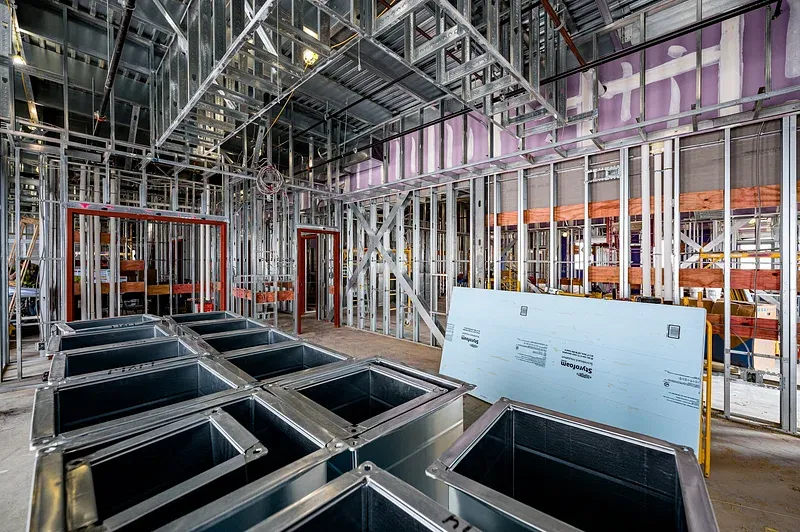
Metal vs. Wood Framing for Commercial Projects: Choosing the Best Structural Solution
By Framing to Dry Wall, Framing to Drywall Inc.
When it comes to commercial construction, selecting the right framing material is crucial for the project’s success. Metal and wood framing each offer unique advantages and challenges that can significantly impact the overall design, durability, and cost of a building. This article will explore the key benefits of both wood and metal framing, helping you make an informed decision for your commercial project. We will delve into how these materials affect structural support, drywall installation, and the importance of demolition in the construction process. Additionally, we will highlight the integration of painting and acoustic ceiling solutions after framing, providing a comprehensive overview of the framing options available in Southeast Michigan.
What Are the Key Benefits of Wood Framing in Commercial Construction?
Wood framing is a popular choice in commercial construction due to its versatility and cost-effectiveness. It provides several key benefits that make it suitable for various applications. One of the primary advantages of wood framing is its ability to offer flexible structural support, allowing for custom designs that can adapt to different architectural styles. Additionally, wood is easier to modify compared to metal, making it an ideal choice for projects that may require changes during construction.
How Does Wood Framing Provide Flexible Structural Support?
Wood framing supports a wide range of architectural designs, from traditional to modern styles. Its lightweight nature allows for easier handling and installation, which can speed up the construction process. Moreover, wood can be easily cut and shaped on-site, enabling contractors to make adjustments as needed without significant delays. This flexibility is particularly beneficial for projects that may evolve during the construction phase.
What Are the Typical Applications and Limitations of Wood Framing?
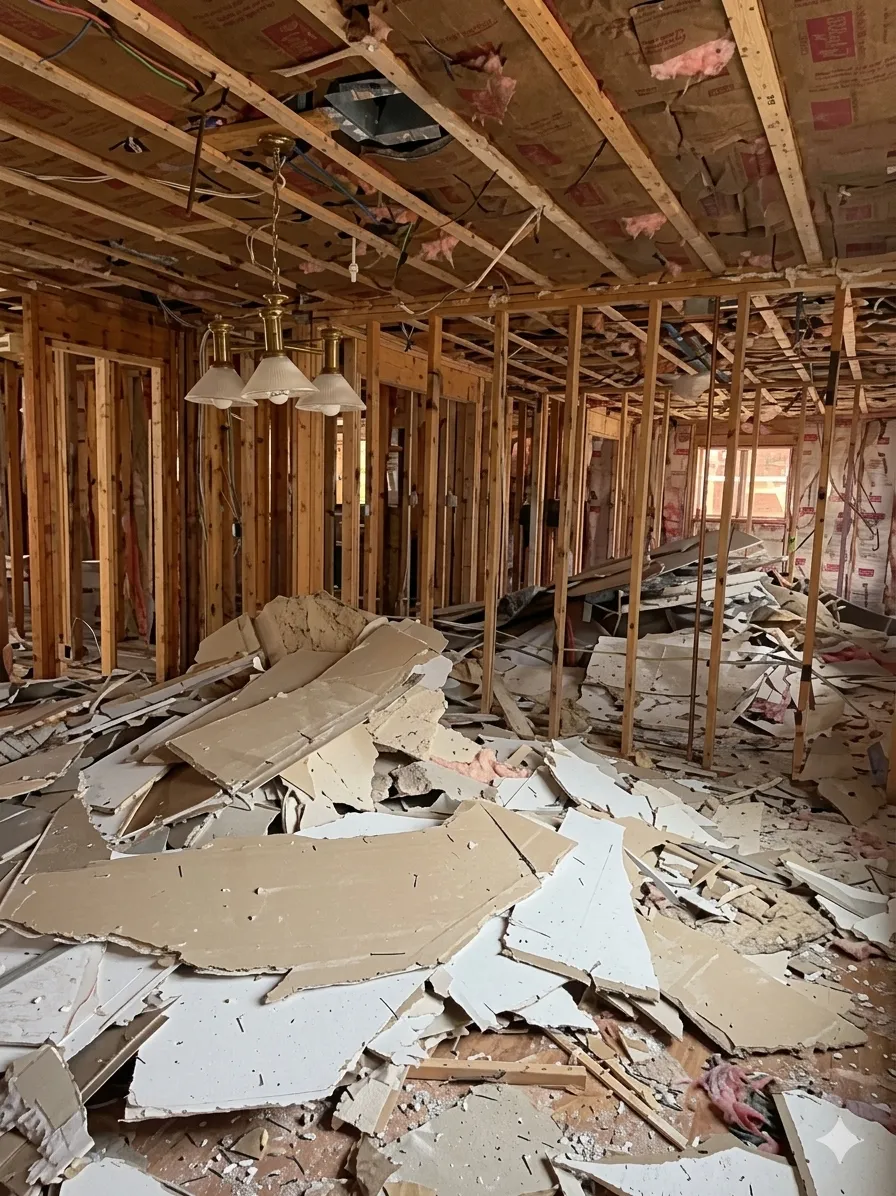
Wood framing is commonly used in low-rise commercial buildings, such as retail spaces, offices, and restaurants. Its applications are well-suited for structures that do not require extensive fire resistance or high structural integrity. However, wood framing does have limitations, particularly in terms of durability and fire resistance. It is more susceptible to damage from pests and moisture, which can compromise the integrity of the structure over time.
Commercial Metal vs Wood Framing: Benefits and Considerations
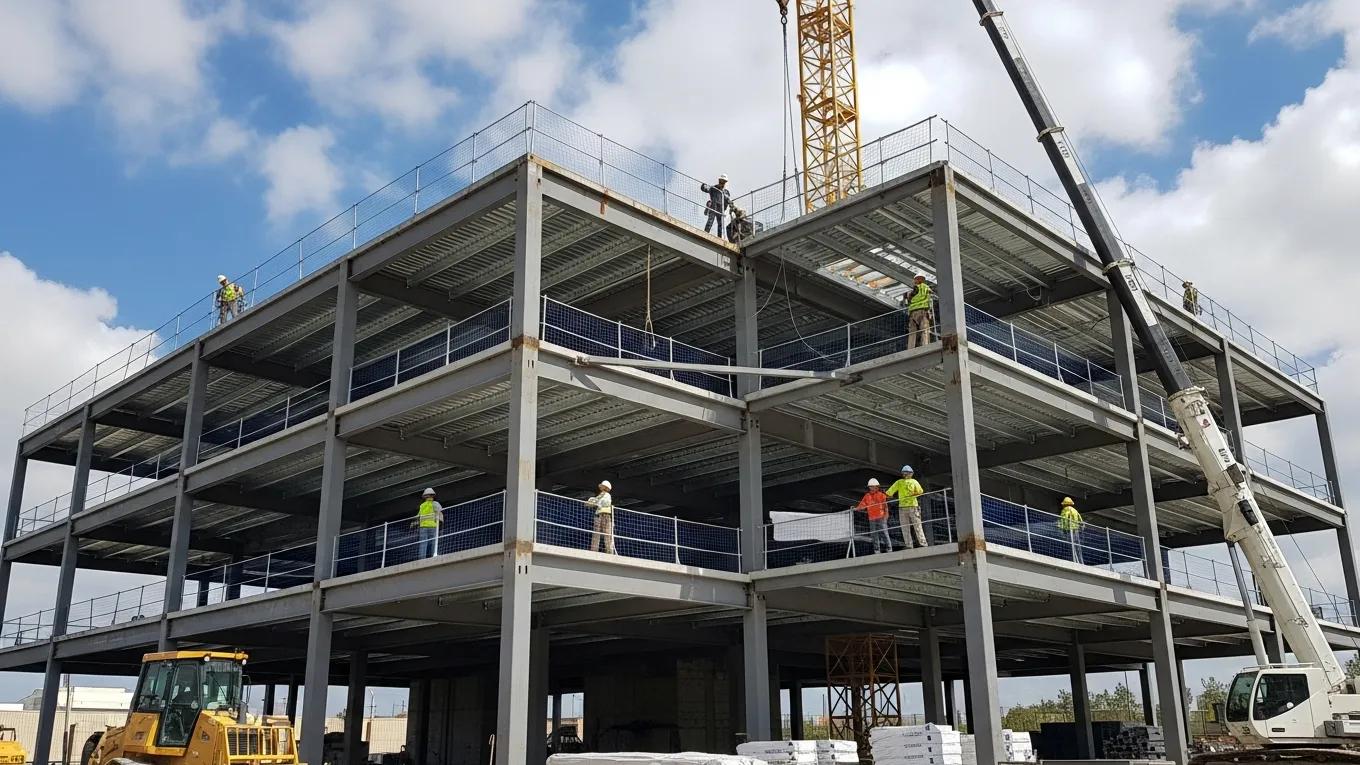
Metal framing is increasingly favored in commercial construction for its durability and safety features. Unlike wood, metal framing is resistant to rot, pests, and fire, making it a more robust option for various building types. This durability translates into lower maintenance costs and a longer lifespan for the structure, which can be a significant advantage for commercial property owners.
What Fire Resistance Advantages Does Metal Framing Offer?
One of the standout features of metal framing is its fire resistance. Metal is a non-combustible material, which significantly reduces the risk of fire spreading within a building. This characteristic is particularly important in commercial settings where safety regulations are stringent. Buildings constructed with metal framing can often meet or exceed fire safety codes, providing peace of mind for owners and occupants alike.
In Which Commercial Projects Is Metal Framing Most Suitable?
Metal framing is ideal for high-rise buildings, warehouses, and structures that require high structural integrity. Its strength allows for larger spans and open spaces, making it a preferred choice for modern commercial designs. Additionally, metal framing is often used in areas that experience extreme weather conditions, as it can withstand significant stress without compromising safety.
How Does Framing Choice Impact Commercial Drywall Installation and Finishing?
The choice of framing material directly affects the installation and finishing of drywall in commercial projects. Understanding the compatibility between drywall and framing types is essential for achieving high-quality finishes. Properly installed drywall not only enhances the aesthetic appeal of a space but also contributes to its overall durability.
What Are the Drywall Compatibility Considerations for Wood and Metal Framing?
When installing drywall, the compatibility with the framing material is crucial. Wood framing typically requires different installation techniques compared to metal framing. For instance, drywall screws are used for wood, while metal studs require specific fasteners to ensure a secure fit. Additionally, the spacing of the studs can vary, impacting the overall installation process and the final appearance of the walls.
How Does Professional Drywall Installation Ensure Quality Finishes?
Engaging professional drywall installation services is vital for achieving smooth and durable finishes. Experienced contractors understand the nuances of working with different framing materials and can ensure that the drywall is installed correctly. This expertise not only enhances the visual quality of the finished walls but also improves the longevity of the installation, reducing the likelihood of issues such as cracking or warping.
What Role Does Demolition Play in Preparing for Framing Projects?
Demolition is a critical step in preparing for framing projects, as it clears the site for new construction. Proper demolition ensures that the area is safe and ready for the installation of framing materials. This process can significantly impact the efficiency and effectiveness of the overall construction timeline.
How Do Demolition Services Facilitate Efficient Framing Installation?
Demolition services play a vital role in facilitating efficient framing installation by removing existing structures and debris. This preparation allows contractors to start framing without delays, ensuring that the project stays on schedule. Additionally, professional demolition services adhere to safety standards, minimizing risks during the construction process.
What Safety Standards Govern Demolition in Commercial Remodeling?
Safety is paramount in demolition, especially in commercial remodeling projects. Compliance with OSHA standards and local regulations is essential to ensure the safety of workers and the surrounding environment. Proper planning and execution of demolition activities help mitigate risks and ensure a smooth transition to the framing phase.
How Are Painting and Acoustic Ceiling Solutions Integrated After Framing?
Once the framing is complete, integrating painting and acoustic ceiling solutions is the next step in the construction process. These finishing touches not only enhance the aesthetics of the space but also improve functionality, such as sound control and overall ambiance.
What Painting Services Complement Wood and Metal Framing?
Painting services are essential for both wood and metal framing, as they protect the materials and enhance the visual appeal of the space. Different types of paint may be used depending on the framing material, with specific formulations designed to adhere to metal surfaces effectively. Professional painting services ensure that the application is uniform and durable, contributing to the longevity of the finishes.
How Do Acoustic Ceiling Systems Enhance Commercial Interiors Post-Framing?
Acoustic ceiling systems are often installed after framing to improve sound control within commercial spaces. These systems can significantly reduce noise levels, creating a more comfortable environment for occupants. Additionally, they can enhance the overall aesthetics of the interior, providing a polished and professional look.
What Insights Do Southeast Michigan Project Case Studies Provide on Framing Choices?
Examining case studies from Southeast Michigan can provide valuable insights into the practical applications of metal and wood framing in commercial projects. These real-world examples highlight the benefits and challenges associated with each framing type, offering lessons for future construction endeavors.
How Have Recent Projects Demonstrated the Benefits of Metal Framing?
Recent projects in Southeast Michigan have showcased the advantages of metal framing, particularly in high-rise developments. These projects have benefited from the material’s durability and fire resistance, resulting in structures that meet modern safety standards while providing functional and attractive spaces.
What Success Stories Highlight Wood Framing Advantages in Local Commercial Builds?
Conversely, several local commercial builds have successfully utilized wood framing, demonstrating its flexibility and cost-effectiveness. These projects often feature unique architectural designs that capitalize on wood’s adaptability, proving that it remains a viable option for many commercial applications.