
Common Drywall Repairs and How to Fix Them Like a Pro
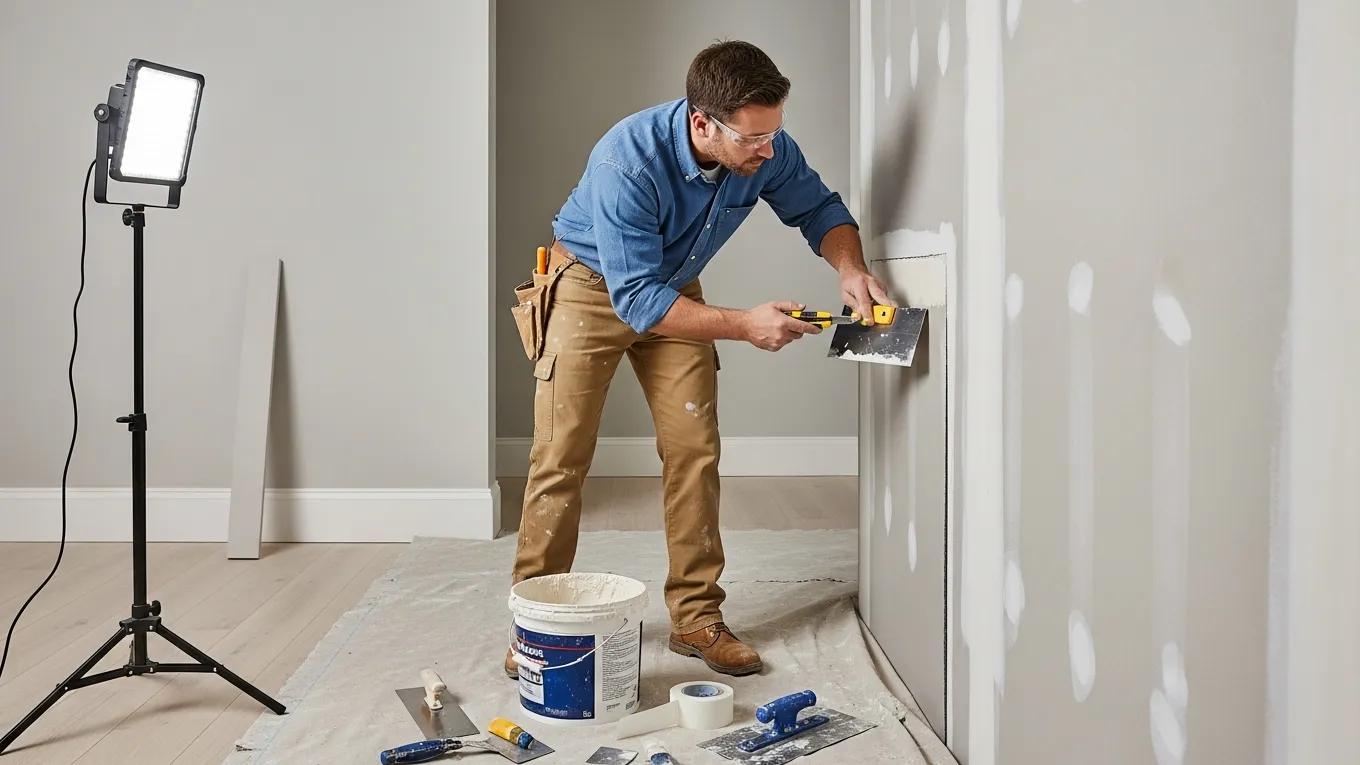
Common Drywall Repairs and How to Fix Them Like a Pro: Expert Techniques and Professional Solutions
By Framing to Dry Wall, Framing to Drywall Inc.
Drywall is a fundamental component of modern interior construction, providing both structural integrity and aesthetic appeal. However, it is prone to various types of damage, which can detract from the overall look and functionality of a space. This article will guide you through common drywall repairs and expert techniques to fix them like a pro. You will learn about the types of drywall damage, effective repair methods, and the importance of professional solutions. Understanding these aspects will empower you to tackle drywall issues confidently, ensuring your home or business remains in top condition.
In this comprehensive guide, we will cover the following sections: the types of drywall damage, expert techniques for repairs, step-by-step guidance for fixing drywall, and the benefits of hiring professional services. By the end of this article, you will have a clear understanding of how to address drywall issues effectively and when to seek professional help.
Types of Drywall Damage
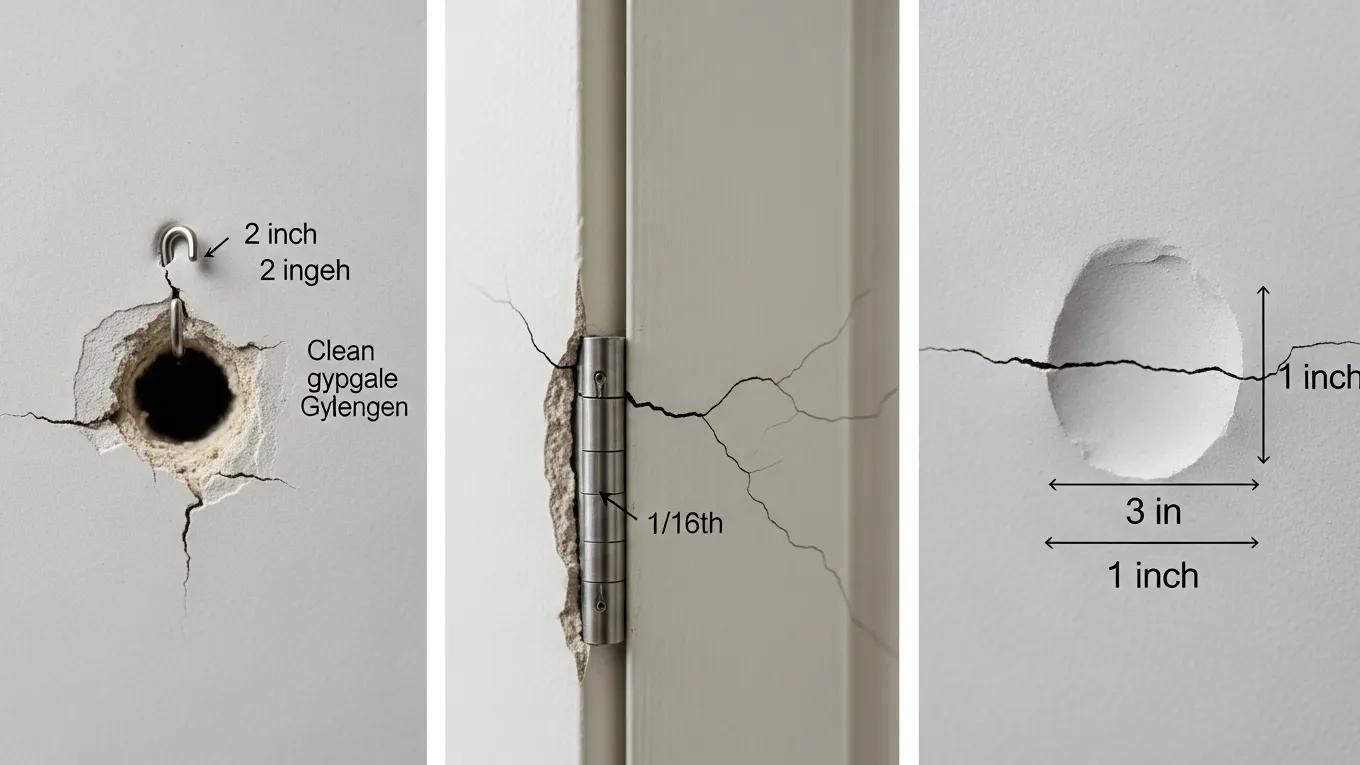
Drywall can suffer from various types of damage, each requiring specific repair techniques. Common issues include small holes, cracks, dents, and significant wear and tear. Identifying the type of damage is crucial for determining the appropriate repair method.
How Do Holes and Punctures Affect Drywall Integrity?
Holes and punctures can compromise the structural integrity of drywall, leading to further damage if not addressed promptly. Small holes, often caused by nails or screws, can be easily repaired, but larger punctures may require more extensive patching. If left untreated, these issues can lead to moisture infiltration and mold growth, which can exacerbate the problem.
Understanding the complex relationship between moisture and drywall damage is crucial for preventing long-term issues.
Understanding Moisture & Fungal Drywall Damage
Uncontrolled excess moisture in buildings is a common problem that can lead to changes in fungal communities. In buildings, moisture parameters can be classified by location and include assessments of moisture in the air, at a surface, or within a material. These parameters are not equivalent in dynamic indoor environments, which makes moisture-induced fungal growth in buildings a complex occurrence.
Moisture parameters and fungal communities associated with gypsum drywall in buildings, S Dedesko, 2015
What Causes Cracks and How Can They Be Identified?
Cracks in drywall can arise from various factors, including settling of the building, temperature fluctuations, or improper installation. Identifying the cause of the cracks is essential for effective repair. For instance, hairline cracks may indicate minor settling, while larger cracks could signal more serious structural issues. Regular inspection can help catch these problems early, preventing costly repairs down the line.
Common Drywall Repairs: DIY Techniques and Professional Solutions
When it comes to drywall repair, employing expert techniques can make a significant difference in the outcome. Understanding the right methods for patching, taping, and finishing can lead to professional-looking results.
Step-by-Step Guidance
Repairing drywall involves several key steps, including assessment, preparation, patching, and finishing. Here’s a brief overview of the process:
- Assessment: Evaluate the extent of the damage to determine the necessary repairs.
- Preparation: Gather the required tools and materials, including joint compound, drywall tape, and a utility knife.
- Patching: Apply the patching material to the damaged area, ensuring it adheres properly.
- Finishing: Once the patch is dry, sand the area smooth and apply a coat of paint to match the surrounding wall.
Following these steps will help ensure a successful repair that blends seamlessly with the existing drywall.
For a deeper dive into the intricacies of drywall repair and finishing, comprehensive manuals offer invaluable insights.
Drywall Repair & Finishing Techniques Manual
The manual consists of 11 modules covering the following topics: filling compounds, safety, applying bead, taping and wiping tapes, filling, texturing, repairs and corrections, factors affecting drywall finishing, working efficiently, maintenance of tools and machines, and estimating.
Drywall Finishing Manual., 1983
Professional Solutions
While DIY repairs can be effective, hiring professionals for drywall repair offers several advantages. Experienced contractors bring expertise and efficiency to the process, ensuring high-quality results. They can also identify underlying issues that may not be immediately apparent, preventing future problems.
For those in need of professional drywall repair services, Framing To Drywall is a trusted provider in Michigan. With a focus on comprehensive interior construction services, they specialize in drywall installation and repair, ensuring that your project is handled with care and precision.
To ensure a seamless finish, consider professional painting services after the drywall work is complete.
How Does Comprehensive Project Management Enhance Repair Outcomes?
Professional drywall repair services often include comprehensive project management, which streamlines the repair process. This approach ensures that all aspects of the project are coordinated effectively, from initial assessment to final inspection. By managing timelines and resources efficiently, professionals can minimize disruptions and deliver high-quality results.
What Safety and Durability Standards Does Framing To Drywall Follow?
Framing To Drywall adheres to strict safety and durability standards, ensuring that all repairs meet industry regulations. Their commitment to quality means that clients can trust the longevity and effectiveness of their drywall solutions. By choosing a reputable contractor, you can have peace of mind knowing that your repairs are in capable hands.
Materials and Tools for Effective Repairs
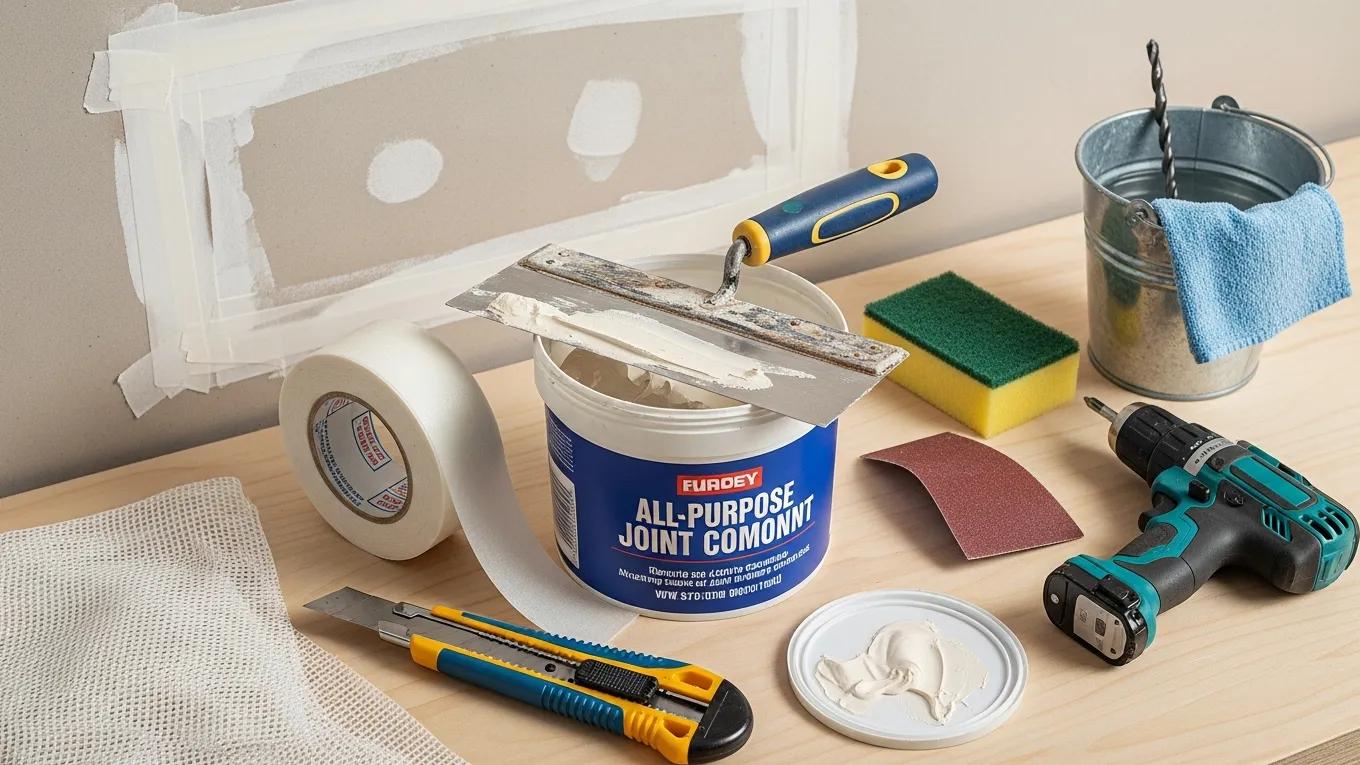
Selecting the right materials and tools is crucial for successful drywall repairs. Using high-quality products can significantly impact the durability and appearance of the finished work.
What Are the Benefits of Using Moisture-Resistant Drywall Materials?
Moisture-resistant drywall materials are essential in areas prone to humidity, such as bathrooms and kitchens. These materials help prevent mold growth and deterioration, ensuring that your repairs last longer. Investing in moisture-resistant options can save you time and money in the long run by reducing the likelihood of future repairs.
Which Tools Ensure Safety and Efficiency During Repairs?
Having the right tools is vital for efficient and safe drywall repairs. Essential tools include:
- Utility Knife: For cutting drywall sheets and patches.
- Drywall Taping Knife: For applying joint compound smoothly.
- Sanding Block: To achieve a smooth finish on repaired areas.
Using the appropriate tools not only enhances the quality of the repair but also ensures the safety of the individual performing the work.
How Should Finishing and Painting Be Done After Drywall Repair?
Finishing and painting are critical steps in the drywall repair process. Proper techniques can make a significant difference in the final appearance of the repaired area.
What Are the Recommended Drywall Finishing Techniques for a Smooth Surface?
To achieve a smooth surface, it is essential to apply joint compound in thin layers, allowing each layer to dry completely before sanding. Feathering the edges of the compound helps blend the repair with the surrounding wall, creating a seamless finish.
How to Select and Apply Paint for Long-Lasting Results?
When selecting paint for drywall repairs, choose a high-quality product that matches the existing wall color. Applying a primer before painting can enhance adhesion and durability. Use a roller for larger areas and a brush for edges and corners to ensure even coverage.
By understanding the materials and tools necessary for drywall repairs, you can ensure that your projects are completed efficiently and effectively.
For those considering a full renovation, demolition services might be a necessary first step.
With the right approach, you can effectively manage drywall repairs, whether you choose to do it yourself or hire professionals. Understanding the types of damage, expert techniques, and the importance of quality materials will empower you to maintain the integrity and appearance of your walls. For those seeking professional assistance, Framing To Drywall offers comprehensive services to meet your drywall repair needs.
Additionally, wood and metal framing are essential components in ensuring the structural integrity of your drywall.