
Drywall Installation: Why Precision Matters for a Smooth Finish
Drywall Installation: Why Precision Matters for a Smooth, Durable Finish
By Framing to Dry Wall, Framing to Drywall Inc.
Drywall installation is a core part of interior construction that shapes both how a room looks and how it performs. A truly smooth finish depends on careful measurements, steady framing, and consistent technique at every stage. This article walks through proven hanging methods, why accurate framing matters, and finishing tips that improve longevity and appearance. Whether you’re a homeowner planning a remodel or a contractor aiming for cleaner results, understanding tools, materials, and common pitfalls will help you avoid rework and get a professional finish the first time.
What Are the Essential Drywall Hanging Techniques for a Flawless Finish?
Getting a flawless drywall finish comes down to a few reliable techniques. Measure and mark carefully so sheets fit tightly with minimal trimming. Anchor drywall to properly aligned studs to prevent gaps and sagging. Stagger end joints and use the right fastener pattern to keep seams tight and surfaces flat. Finally, choosing quality panels and fasteners makes the whole system more forgiving and longer lasting.
How Does Precise Framing Support Effective Drywall Hanging?
Framing sets the foundation for every drywall job. Straight, plumb studs let sheets lay flat without bows or ridges. Using consistent stud spacing and solid blocking where needed gives screws better bite and reduces the chance of nail pops or movement later. Whether you choose treated lumber or metal studs, the goal is the same: a stable, level substrate so the drywall can be installed cleanly and hold up over time.
What Tools and Materials Ensure Accurate Drywall Installation?
Having the right tools and materials makes accurate installation repeatable and faster. Essential tools include:
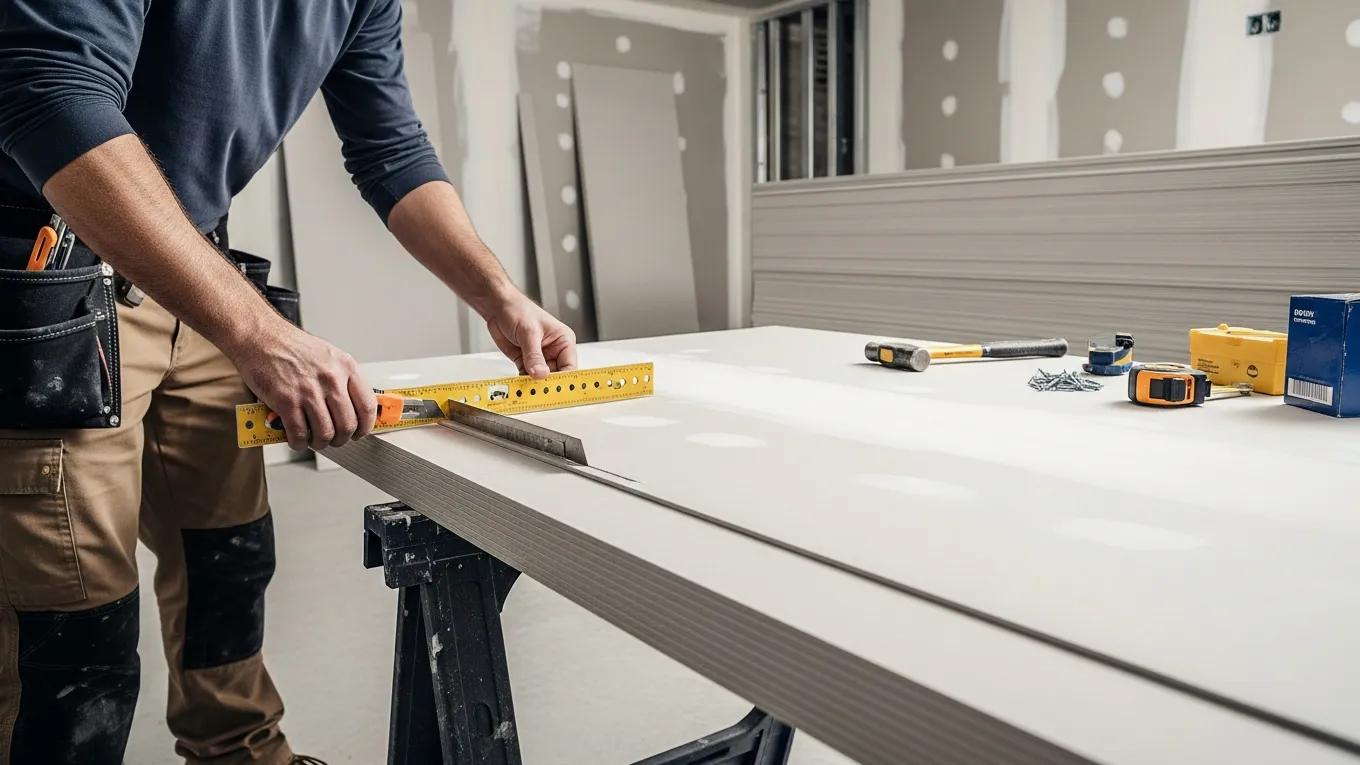
- Drywall T-Square: For straight, reliable cuts across full sheets.
- Utility Knife: For quick, controlled scoring and snapping of panels.
- Drywall Screw Gun: Delivers consistent drive depth without damaging the paper face.
Match materials to the environment: use moisture-resistant drywall in wet areas and select screws and fasteners rated for the framing type. Investing in the correct tools and panels reduces callbacks and produces a tighter, smoother finish.
How Do Drywall Finishing Tips Enhance Wall Durability and Appearance?
Finishing is where workmanship shows. Proper taping, compound application, and sanding turn sheets into a seamless surface that resists cracks and shows paint well. Skipping steps or rushing drying times is the fastest way to create visible defects and premature repairs.
What Are the Best Practices for Taping, Sanding, and Patching Drywall?
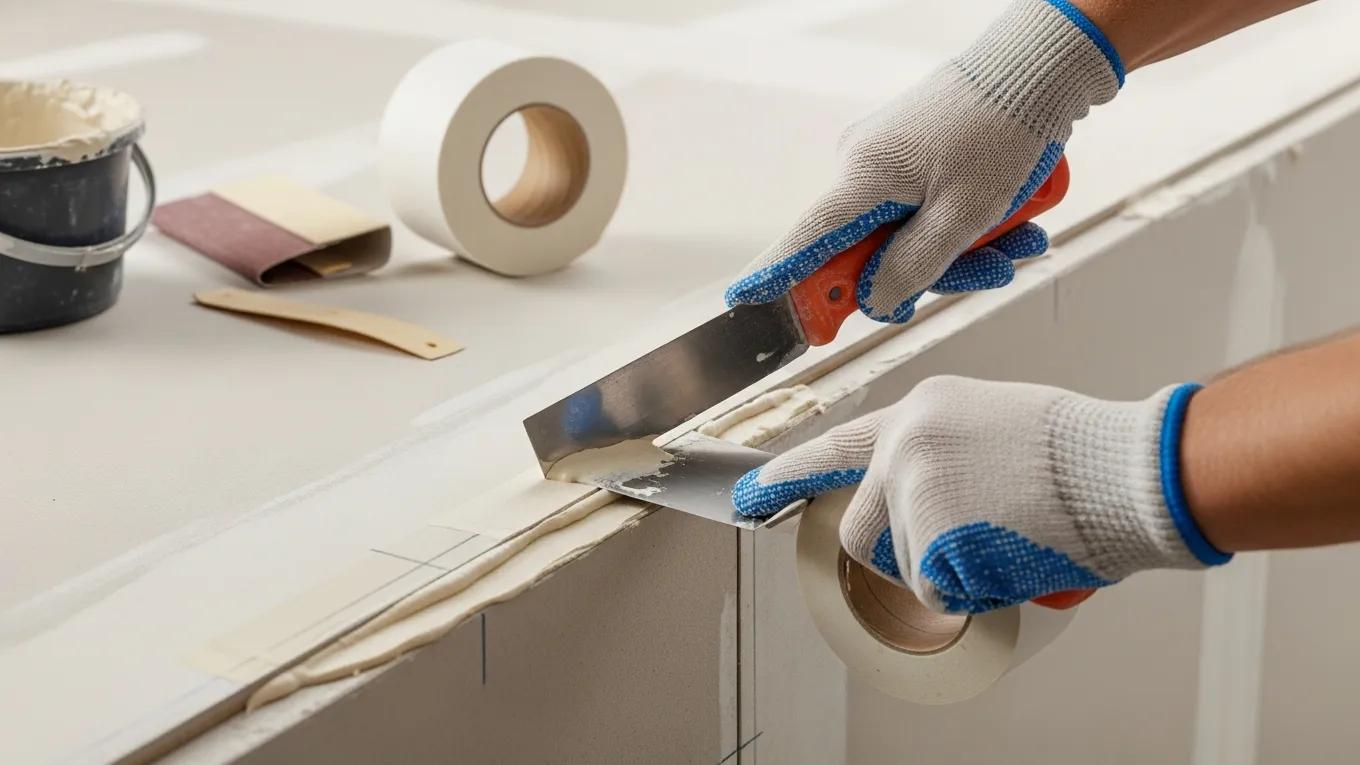
Follow these finishing practices for a lasting, smooth surface:
- Taping: Embed high-quality joint tape in the first coat of compound. Smooth the tape to remove air pockets and ensure firm adhesion.
- Sanding: Sand between coats with progressively finer grit and keep dust control in mind. Light final sanding produces a paint-ready surface without overworking the paper.
- Patching: For dents or holes, use a suitable patching compound and feather the edges so repairs blend with the surrounding wall.
Consistent technique and patience during finishing are what separate a functional wall from a showroom-ready surface.
How Does Moisture-Resistant Drywall Improve Finish Longevity?
Moisture-resistant drywall is the right choice for bathrooms, kitchens, and basements. It helps limit mold and deterioration where humidity is common and preserves the integrity of paint and coatings. Specifying the correct board for the location prevents future damage and reduces maintenance down the road.
What Are the Benefits of Metal Framing in Drywall Installation Projects?
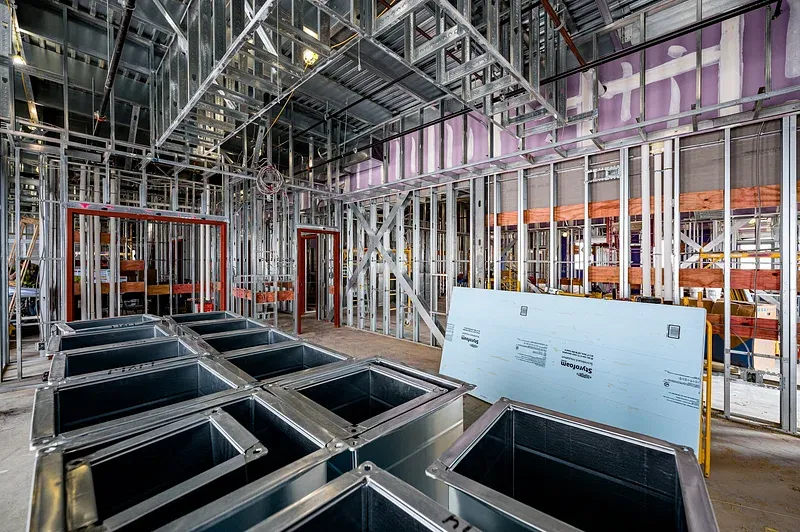
Metal framing brings predictable straightness and resistance to common problems that affect wood. It won’t warp, shrink, or attract pests, and it often provides a cleaner substrate for drywall. For many commercial jobs and moisture-prone areas, metal studs deliver consistent alignment and long-term stability that simplify finishing.
How Does Metal Framing Compare to Wood Framing for Structural Integrity?
Compared to wood, metal framing holds its dimensions and resists movement caused by moisture or seasonal changes. That dimensional stability keeps drywall seams tight and panels flat, which directly improves the finished appearance. Metal also performs well under load in many commercial applications, making it a reliable choice where precision matters.
Why Is Metal Framing Preferred in Commercial and Moisture-Prone Environments?
Metal framing is common in commercial builds and damp environments because it’s non-absorbent and resistant to pests. It reduces the risk of mold development and, in many assemblies, adds a measure of fire resistance. Those attributes make metal studs a practical option when durability, safety, and low maintenance are priorities.
When Should You Consider Professional Drywall Repair Services?
Call in professionals when damage goes beyond simple touch-ups or when the finish quality is critical. Large cracks, repeated settling issues, or widespread surface defects are signs that experienced repair crews should handle the job to ensure a lasting result.
What Common Drywall Finishing Mistakes Require Expert Repair?
Frequent finishing errors that benefit from professional attention include:
- Inadequate Taping: Poor tape application shows through paint and can reopen over time.
- Over-Sanding: Removing too much compound or damaging the paper face requires additional patching.
- Improper Joint Compound Application: Uneven layers create visible ridges and a bumpy final surface.
Experts can diagnose the root cause, correct hidden issues, and deliver a uniform finish that lasts.
How Do Repair Services Restore Smooth and Durable Wall Surfaces?
Professional repair teams start with a full assessment, then remove compromised material, apply correct patching techniques, and finish with precision sanding and priming. Using the right compounds and tools, they restore a consistent substrate ready for paint, often avoiding recurring problems that DIY fixes can miss.
How Does Acoustic Ceiling Installation Integrate with Drywall Projects?
Acoustic ceilings are frequently coordinated with drywall work to control noise and improve room comfort. Properly integrated ceiling systems complement wall finishes and can enhance both the look and function of a space, particularly in offices, classrooms, and hospitality settings.
What Are the Advantages of Combining Acoustic Ceilings with Drywall Finishes?
Pairing acoustic ceilings with quality drywall finishes offers several advantages:
- Sound Control: Acoustic materials reduce reverberation and lower background noise.
- Aesthetic Improvements: A coordinated ceiling and wall treatment produces a cohesive, polished interior.
- Energy Efficiency Contributions: Certain acoustic assemblies can improve thermal performance and reduce HVAC load.
When planned together, ceiling and wall systems deliver better results than treating each separately.
Which Materials and Techniques Ensure Optimal Acoustic Performance?
Achieving good acoustic results depends on material choice and installation detail. Use rated acoustic tiles or panels where sound absorption is required, and seal gaps and penetrations to prevent flanking paths. Proper attachment, isolation clips, and insulation in cavities also help meet performance goals.
Further research highlights specific installation techniques that can significantly impact the performance of ceiling systems.
Drywall Installation Techniques for Optimal Performance
A sealed drywall installation paired with suitable acoustic insulation—such as stone wool—can outperform traditional assemblies when designed for airtightness and sound control.
Optimizing Ceiling Systems and Lightweight Plenum Barriers, 2016
For finishing ideas, consider our painting guidance to achieve the look you want.
If your project starts with demo, review our demolition advice to prepare the site safely and efficiently.
To see how we approach complete projects, learn more about our framing to drywall services.
Frequently Asked Questions
1. What is the role of drywall in acoustics within a space?
Drywall influences room acoustics by adding mass and helping to control sound transmission between spaces. Correct assembly, combined with insulation and acoustic treatments, reduces echoes and improves privacy. In sound-sensitive projects, pairing drywall with dedicated soundproofing materials or acoustic ceilings delivers the best results.
2. Can I install drywall myself, or should I hire a professional?
DIY drywall is possible for small, simple jobs, but larger areas or complex details benefit from professional installers. Pros bring experience in layout, fastening patterns, and finishing that reduce visible defects and rework. Evaluate the project size, your tools, and your skill level before deciding.
3. How do I maintain my drywall to extend its lifespan?
Routine care keeps drywall looking good: address leaks and moisture immediately, clean gently with mild cleaners, and patch dents early. Periodic inspections for cracks or nail pops let you fix small issues before they require larger repairs.
4. What are the signs that indicate I need drywall repair?
Look for cracks, holes, water stains, bubbling paint, or areas where the wall feels soft—these are common indicators of damage. Structural shifts can also cause gaps at corners or seams. Prompt assessment and repair prevent problems from growing worse.
5. How important is the drying time for joint compound during finishing?
Drying time is critical. Each coat needs adequate cure time—often 24 hours under normal conditions—before sanding or applying the next layer. Rushing dries can trap moisture and lead to cracking or poor adhesion, so plan your schedule around proper drying intervals.
6. What are the environmental considerations when choosing drywall materials?
Choose boards and compounds with low VOCs and, when possible, recycled content to reduce environmental impact. Moisture-resistant boards can prevent mold growth, improving indoor air quality. Check product certifications and manufacturer data to align choices with sustainability goals.
7. What type of drywall is best for high moisture areas?
For bathrooms and kitchens, moisture-resistant (green board) drywall is recommended. In regions exposed to direct water, cement board is a better option because it tolerates wet conditions without degrading. Selecting the right substrate for the application prevents premature failure and mold issues.
Conclusion
Precision in drywall work pays off: accurate framing, the right materials, and disciplined finishing produce walls that look great and last. Use the techniques outlined here to reduce rework and extend the life of your finishes. For project-specific advice or hands-on help, consult our guides or contact a professional — getting the details right makes all the difference in the final result.