
How Much Does Drywall Installation Cost in Michigan? (2026 Price Guide)
How Much Does Drywall Installation Cost in Michigan? 2026 Price Guide and Labor Rates
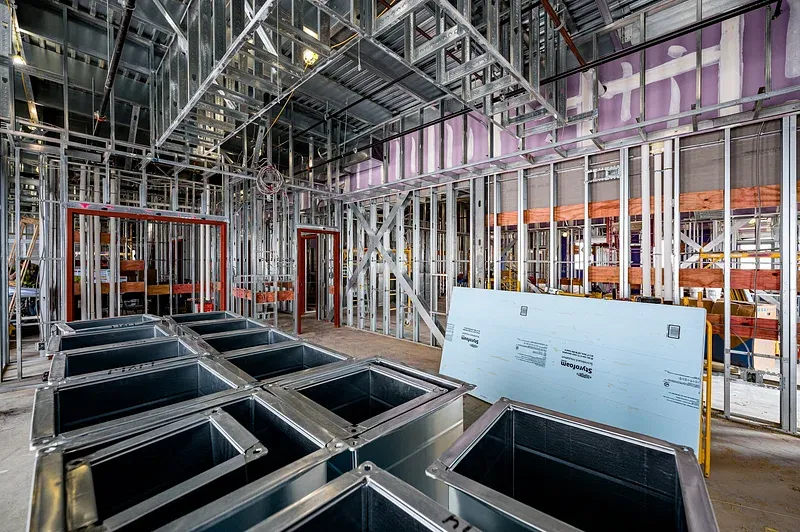
Drywall installation is a key part of any interior build or remodel and can have a big impact on your project budget. Homeowners and businesses across Michigan often ask what to expect for costs when planning renovations or new construction. This guide breaks down the factors that shape drywall prices in 2026 — materials, project size, labor, and regional differences — so you can plan and budget with confidence.
What Are the Main Factors Influencing Drywall Installation Pricing in Michigan?
Drywall pricing in Michigan varies based on several important factors. Knowing these helps homeowners and contractors make better choices for their projects. The main drivers are project size, the type of materials used, and how complicated the installation will be. Labor rates also differ depending on the contractor’s experience and the local market.
Framing to Drywall offers experienced crews and project planning that can help control these variables. Our drywall installation services streamline the process to protect quality without needless overspend — see our drywall installation page for details.
How Do Project Size and Complexity Affect Drywall Costs?
Project size and complexity have a direct effect on cost. Larger rooms or whole‑house installs require many more materials and extend labor time, which raises the price. A single small room might only need a handful of sheets; a full home or multi‑room remodel is a much larger investment.
Complex layouts — high ceilings, unusual room shapes, multiple levels, or lots of corners and openings — add time and skill to the job. Those factors increase labor hours and material waste, so careful planning and an accurate estimate are important.
What Role Do Materials and Finishing Levels Play in Pricing?
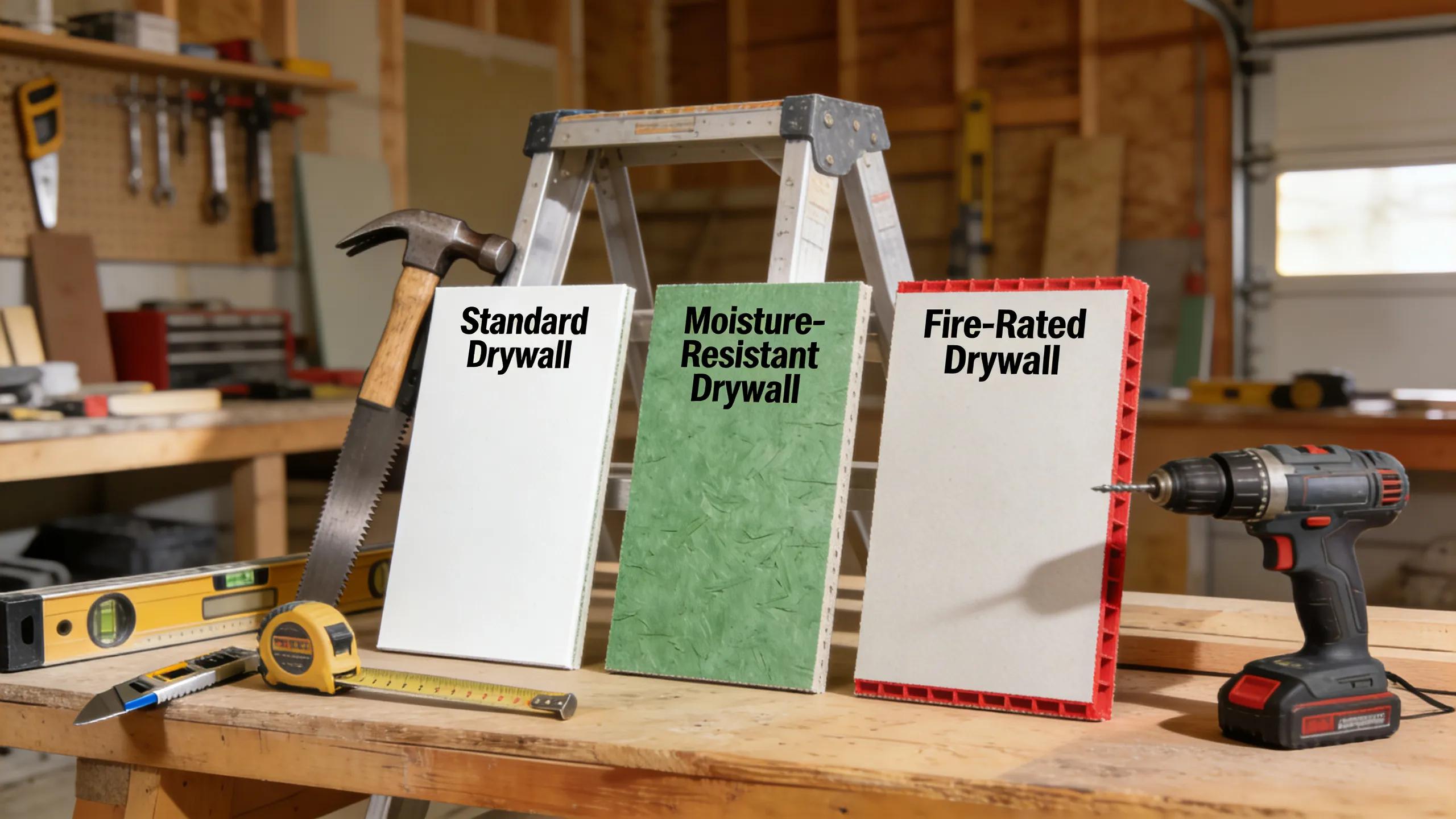
The drywall type you choose and the finish level you want are big cost drivers. Basic drywall is the most budget‑friendly option. Moisture‑resistant, fire‑rated, or sound‑isolating panels cost more up front but solve specific needs.
Finish levels range from a simple taped and sanded surface to high‑end textured or smooth finishes suitable for paint or wallpaper. More refined finishes require extra labor and time — expect to allocate more of your budget for premium results.
How Does Demolition Impact the Overall Drywall Installation Cost?
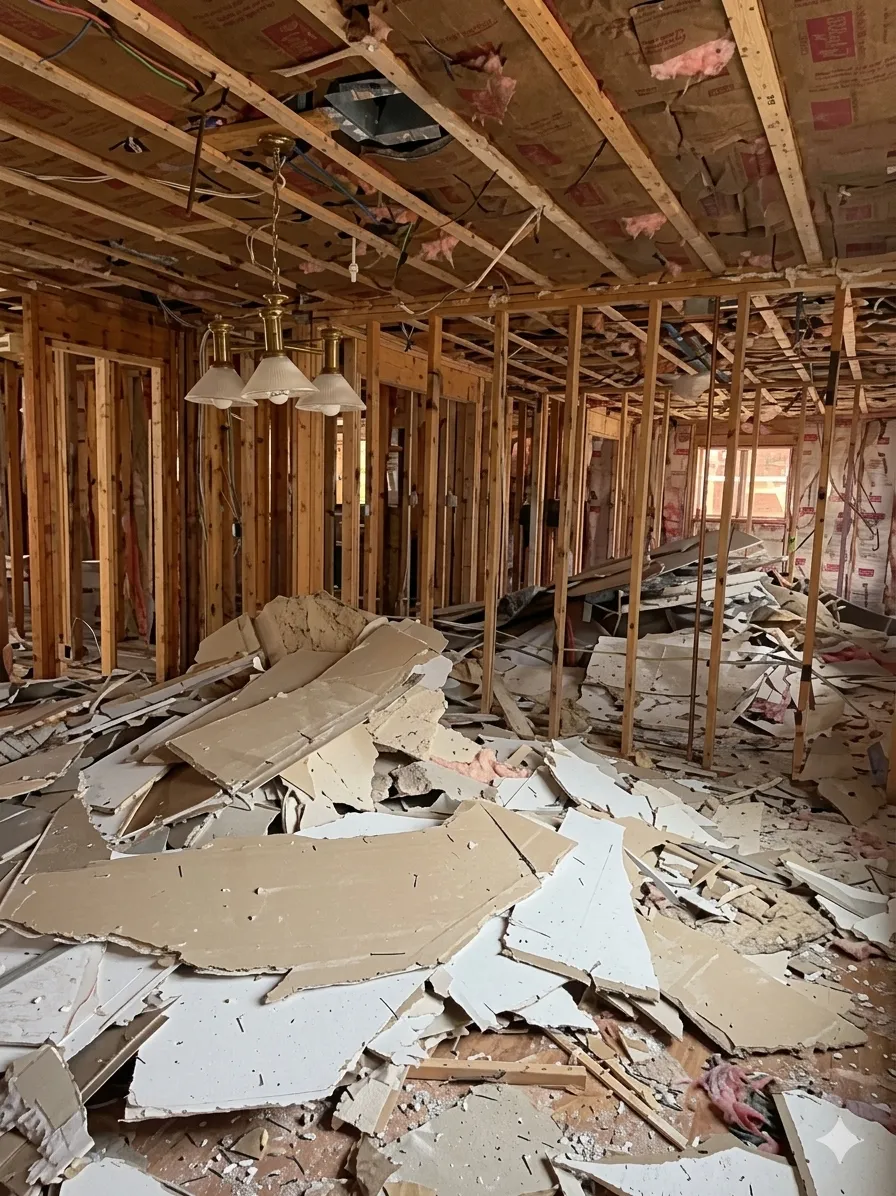
Demolition is often required before installing new drywall, especially in remodels, and its cost affects the total project budget.
Hiring professional demolition services ensures the space is cleared safely and correctly, which sets the stage for a clean, durable drywall installation.
Why Is Professional Demolition Important Before Drywall Installation?
Professional demolition reduces safety risks and prevents hidden structural problems from being overlooked. Properly taken‑down walls and removed material give installers a stable, safe surface to work on, which limits delays and rework during drywall installation.
What Are the Cost Considerations for Demolition Services in Michigan?
Demolition costs in Michigan vary by project size and complexity. For many standard tear‑outs, homeowners can expect to pay roughly $1,000 to $3,000, depending on layout and materials that must be removed. Including demolition in early estimates helps avoid surprises later in the project.
What Are the Cost Differences Between Wood and Metal Framing for Drywall Support?
The framing you choose for drywall — wood or metal — affects installation methods and overall cost. Each option has tradeoffs in price, durability, and ease of installation.
How Do Wood Framing Prices Compare to Metal Framing in Michigan?
In Michigan, typical wood framing runs about $2 to $5 per square foot, while metal framing usually costs about $3 to $7 per square foot. Your choice will influence upfront expenses, long‑term performance, and how the drywall is installed. For a deeper look at options, visit our wood and metal framing resource.
What Is the Impact of Framing Quality on Drywall Installation Success and Cost?
Quality framing makes drywall installation smoother and more durable. Well‑built studs and studs placed to code reduce issues like cracking, uneven seams, and the need for repairs. Investing in proper framing up front can save money on callbacks and maintenance down the road.
What Are the Typical Drywall Installation Labor Rates and Processes in Michigan?
Labor is a major component of drywall costs. Knowing typical rates and the steps involved helps you set realistic expectations for your budget.
How Are Drywall Hanging, Taping, Sanding, and Finishing Priced?
Drywall hanging labor typically falls between $1.50 and $3.00 per square foot. Taping, sanding, and finishing generally add another $1.00 to $2.00 per square foot, depending on the finish level and attention to detail required.
What Is the Average Drywall Labor Cost Per Square Foot in Michigan?
On average, expect drywall labor costs in Michigan to range from about $3.00 to $6.00 per square foot. Complexity, site conditions, and contractor experience can push that range up or down.
How Much Does Basement Drywall Installation Cost in Michigan Compared to Other Areas?
Basement drywall work often brings its own cost considerations that differ from above‑grade installations.
What Special Considerations Affect Basement Drywall Pricing?
Basements can present moisture and foundation challenges that require special materials and installation techniques. That typically means higher material costs and more careful installation methods, which raise the overall price compared with standard room installs.
Are Moisture-Resistant Drywall Materials More Expensive for Basements?
Yes—moisture‑resistant drywall is usually more expensive than standard boards. For basements prone to dampness, the higher upfront cost is often worth it for improved durability and lower long‑term risk of mold or damage.
What Additional Costs Should Be Considered: Drywall Repairs, Painting, and Acoustic Ceiling Finishes?
Beyond installation, plan for related expenses like repairs, painting, and specialized ceiling finishes when budgeting your project.
How Do Repair and Patching Services Affect Overall Budget?
Repair costs vary with the scope of damage. Small patches can be around $100, while larger repairs may run several hundred dollars. Allowing for possible repairs in your budget keeps your project flexible.
What Are the Pricing Factors for Painting and Acoustic Ceiling Finishing Services?
Painting typically costs between $2 and $4 per square foot, depending on prep and paint quality. Acoustic ceiling finishes generally add another $2 to $4 per square foot, based on complexity. Factoring these finishes into your estimate gives a more complete picture of total project costs — see our painting services for more information.