
The Importance of Professional Framing for Structural Integrity
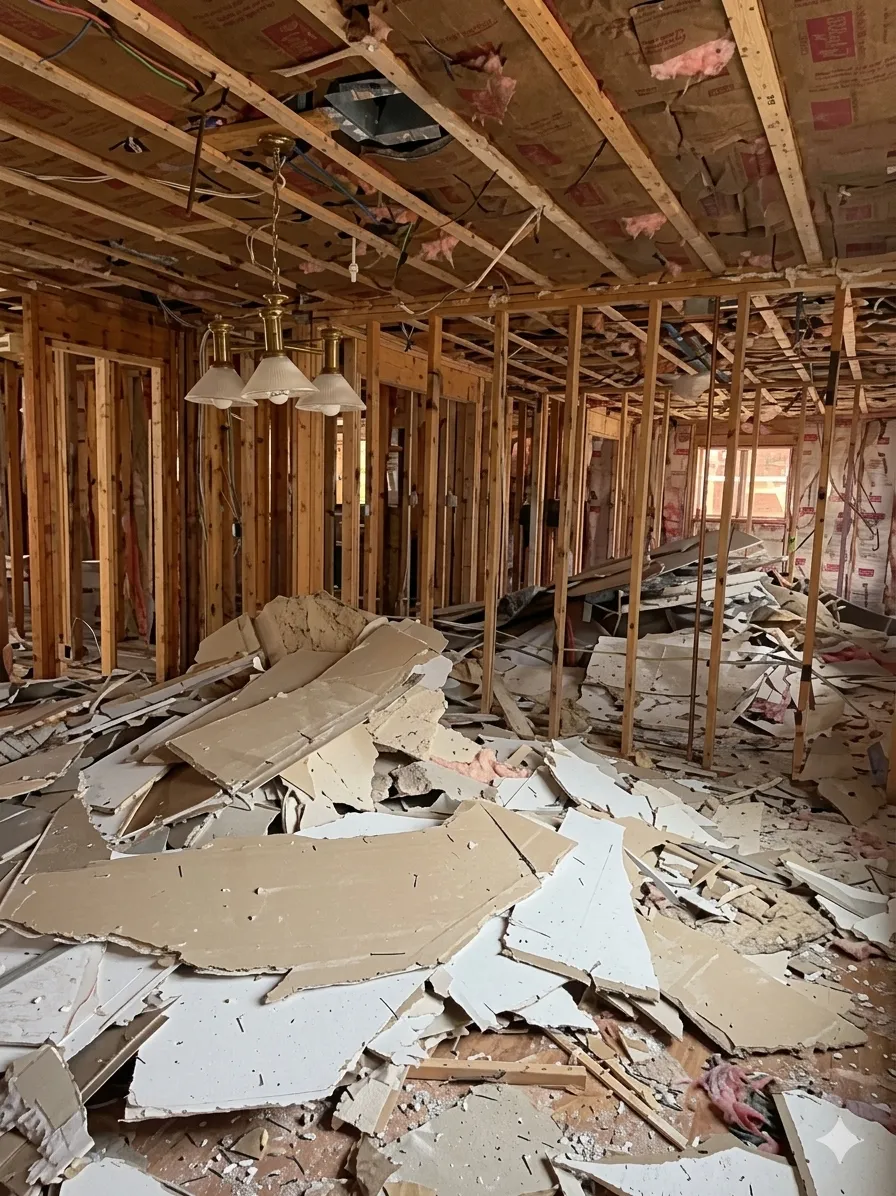
Professional Framing Services in Michigan: Ensuring Structural Integrity for Residential and Commercial Projects
By Framing to Dry Wall, Framing to Drywall Inc.
Professional framing is a critical component of construction that ensures the structural integrity of buildings. It involves the precise assembly of materials to create a framework that supports the entire structure. This article will explore the importance of professional framing, the benefits of different framing materials, and how framing impacts drywall installation and finishing quality. Homeowners, contractors, and property managers will gain insights into the risks of improper framing and best practices for selecting reliable framing contractors. By understanding these elements, stakeholders can make informed decisions that enhance safety and durability in their construction projects.
Why Is Professional Framing Critical for Structural Integrity?
Professional framing is essential for maintaining the safety and durability of buildings. It provides the necessary support for walls, roofs, and floors, ensuring that structures can withstand various stresses over time. Proper framing adheres to local building codes and safety standards, which are designed to protect occupants and property. When executed correctly, framing contributes to the longevity of a building, reducing the need for costly repairs and renovations in the future.
How Does Framing Support Building Safety and Longevity?
Framing plays a vital role in supporting the overall safety and longevity of structures. It ensures that loads are evenly distributed across the building, preventing structural failures that can lead to catastrophic consequences. For instance, inadequate framing can result in sagging floors, cracked walls, and even collapse. By following established safety standards and utilizing high-quality materials, professional framers can enhance the structural integrity of a building, providing peace of mind to homeowners and business owners alike.
What Are the Risks of Improper Framing in Construction?
Improper framing poses significant risks that can compromise the safety and functionality of a building. Common issues include structural failures, which can lead to costly repairs and potential hazards for occupants. Additionally, poor framing practices can result in misalignment, affecting the installation of drywall and other finishing materials. The financial implications of these mistakes can be substantial, making it crucial to engage experienced professionals for framing services.
What Are the Benefits of Wood and Metal Framing in Southeast Michigan?
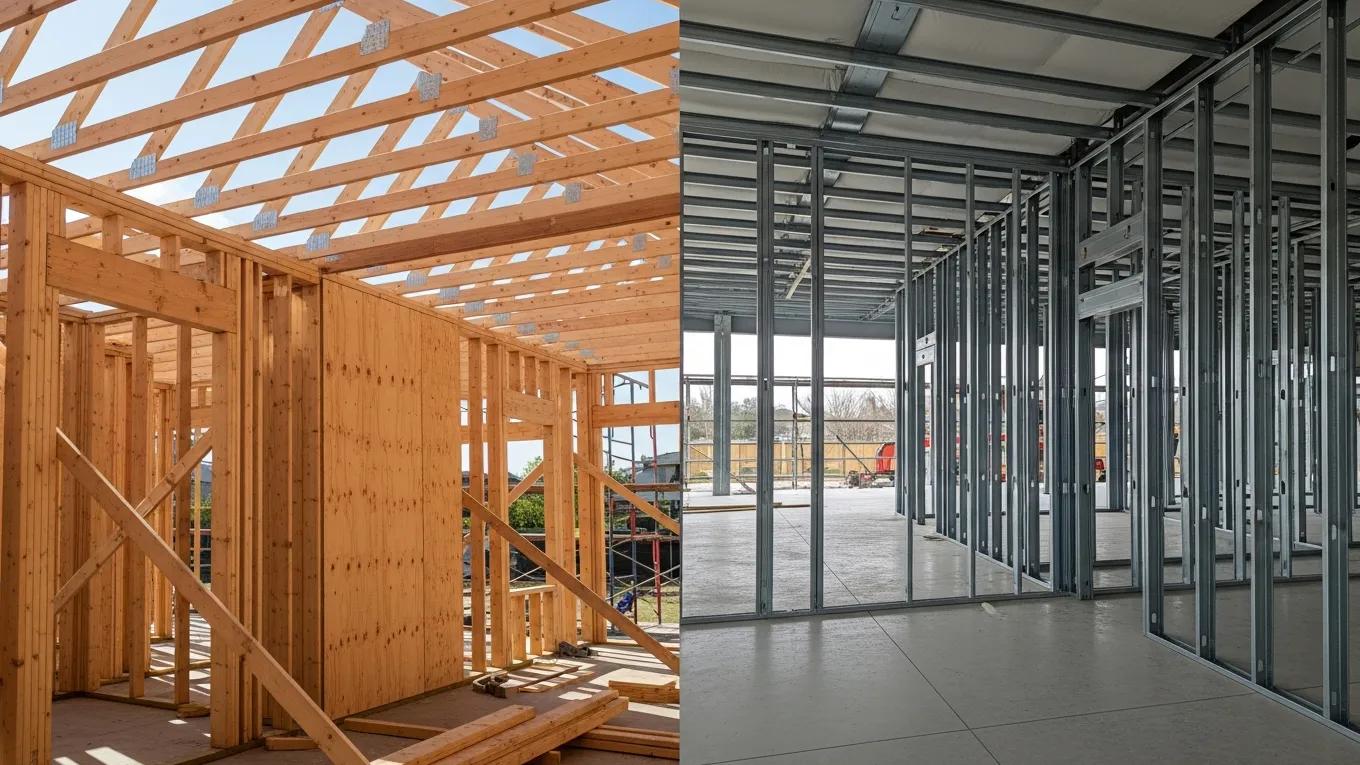
In Southeast Michigan, both wood and metal framing offer distinct advantages depending on the project requirements. Understanding these benefits can help stakeholders choose the most suitable material for their construction needs.
How Do Wood and Metal Framing Compare in Durability and Application?
Wood framing is often favored for residential projects due to its cost-effectiveness and ease of installation. It provides excellent insulation, contributing to energy efficiency. On the other hand, metal framing is known for its durability and resistance to pests, making it ideal for commercial applications. Each material has its strengths, and the choice between wood and metal should be based on the specific needs of the project.
The durability of light steel framing, even in residential applications, is a key area of study.
Durability of Light Steel Framing in Housing
This paper presents a summary and analysis of research findings on the durability of galvanised cold-formed steel sections used in housing in order to deduce their design life.
Durability of light steel framing in residential applications, SO Popo-Ola, 2010
Which Framing Material Best Suits Residential Versus Commercial Projects?
When selecting framing materials, it is essential to consider the type of project. Wood framing is typically best suited for residential applications, where aesthetics and insulation are priorities. Conversely, metal framing is often preferred for commercial projects due to its strength and ability to support larger structures. Factors such as local climate conditions and building codes also influence the choice of material.
Further research delves into the specifics of residential wood-frame structures and their potential for retrofit.
Residential Wood-Frame Structures & Retrofit
one- and two-story wood-frame structures built on one of wood frame cripple wall), typical of construction practices in the CEUS. Selected retrofit strategies for conventional wood-frame
Seismic fragility analysis and retrofit of conventional residential wood-frame structures in the central United States, W Pang, 2009
Expert Michigan Framing Services for Residential & Commercial Projects
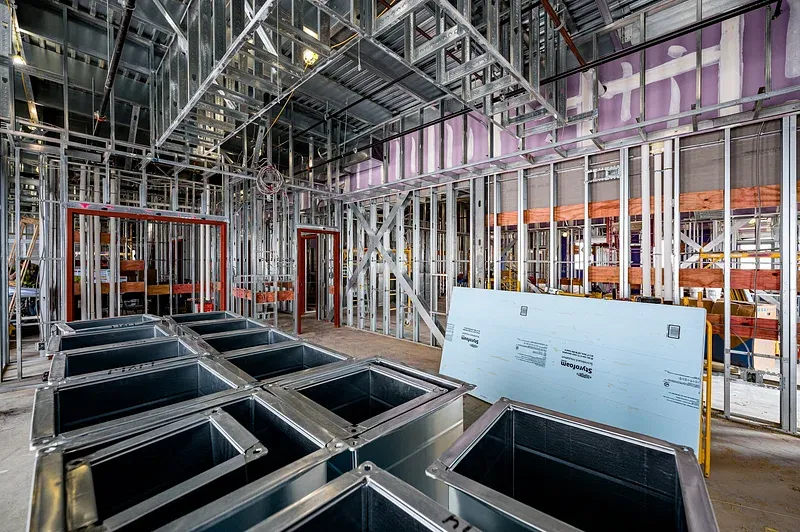
The quality of framing directly affects the installation and finishing of drywall. Precise framing ensures that drywall is installed correctly, leading to a smooth and visually appealing finish. Misalignment during framing can result in uneven surfaces, which complicates the finishing process and may require additional work to correct.
Why Is Precise Framing Essential for Drywall Stability and Appearance?
Precise framing is crucial for the stability and appearance of drywall. When framing is done accurately, it allows for proper alignment of drywall sheets, minimizing the risk of cracks and imperfections. Techniques such as using level studs and ensuring proper spacing between framing members contribute to a high-quality finish. This attention to detail not only enhances the aesthetic appeal but also improves the overall durability of the walls.
What Are the Best Practices for Integrating Framing with Drywall Services?
Integrating framing with drywall services requires careful planning and communication between teams. Best practices include ensuring that framing is completed before drywall installation begins and conducting thorough inspections to identify any issues. Effective collaboration between framers and drywall installers can prevent costly mistakes and ensure a seamless transition between the two processes.
Modern advancements, such as robotic solutions and prefabrication, are continually improving the efficiency and quality of both framing and drywall installation.
Robotic vs. Traditional Framing & Drywall Installation
This paper develops a case study contrasting the impact of on-site drywall placing robots and off-site framing to the traditional framing and drywall installation. Strenuous work reduced from 90 to 57% with the on-site robot and 44% with the off-site robot. Both robots minimized the 3% traditional rework. Prefabrication cut the framing and drywall schedule by 38% and the on-site robot by 23% working 16-h shifts.
Comparison of on-site and off-site robot solutions to the traditional framing and drywall installation tasks, C Brosque, 2023
What Role Do Demolition and Interior Finishing Services Play in Structural Framing?
Demolition and interior finishing services are integral to the framing process. Proper demolition prepares the site for safe framing, ensuring that all debris is cleared and the foundation is stable. Additionally, the finishing touches, such as painting and installing acoustic ceilings, enhance the overall appearance and functionality of the space.
How Does Proper Demolition Prepare Sites for Safe Framing?
Proper demolition involves assessing the site and planning the removal of existing structures. This process includes ensuring that the foundation is sound and that all hazardous materials are safely disposed of. By preparing the site adequately, framers can work more efficiently and safely, reducing the risk of accidents during construction.
How Do Painting and Acoustic Ceilings Complement Framing and Drywall Work?
Painting and acoustic ceilings play a significant role in enhancing the final appearance of framed and drywall installations. Quality painting not only protects the surfaces but also adds aesthetic value to the space. Acoustic ceilings can improve sound insulation, making them a popular choice in commercial settings. Together, these finishing services complement the structural work done during framing, resulting in a polished and professional look.
How to Choose Reliable Structural Framing Contractors in Southeast Michigan?
Selecting the right structural framing contractor is crucial for the success of any construction project. Homeowners and businesses should consider several factors when making their choice.
What Qualifications and Experience Should You Look for in Framing Experts?
When evaluating framing contractors, it is essential to look for qualifications such as licensing and insurance. Experience in both wood and metal framing is also important, as it indicates a contractor’s ability to handle various project types. Additionally, reviewing a contractor’s portfolio of past work can provide insight into their capabilities and craftsmanship.
How Do Local Building Codes and Safety Standards Influence Contractor Selection?
Local building codes and safety standards play a significant role in contractor selection. Understanding these regulations ensures that the chosen contractor is compliant and knowledgeable about the requirements specific to Southeast Michigan. This compliance not only guarantees safety but also contributes to the overall success of the project.
To ensure a smooth construction process, consider the importance of proper demolition before starting any framing project.