
The Role of Soundproofing in Modern Drywall Installation
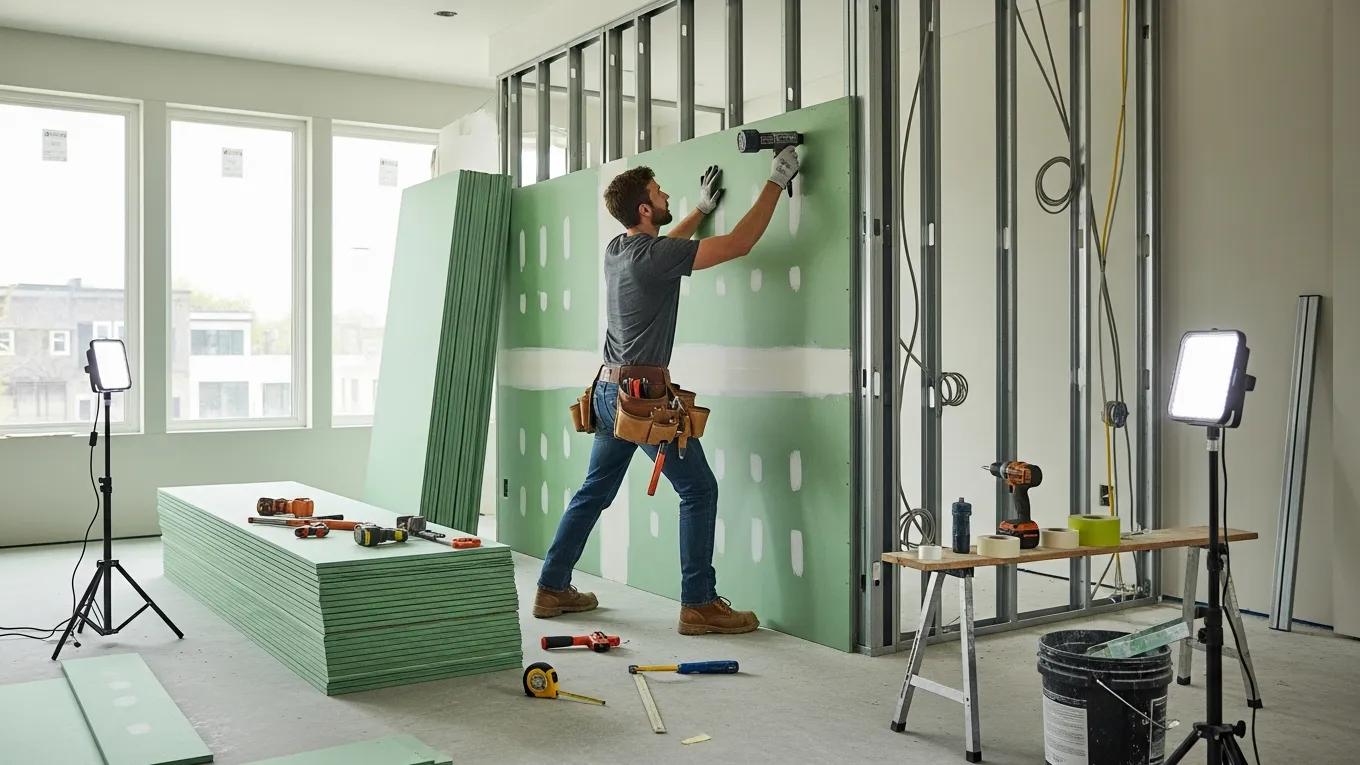
Soundproof Drywall Installation: Understanding Its Role and Benefits in Modern Interior Construction
By Framing to Dry Wall, Framing to Drywall Inc.
In the realm of modern interior construction, soundproof drywall installation has emerged as a critical component for enhancing acoustic comfort in both residential and commercial spaces. This specialized drywall not only reduces noise transmission but also contributes to overall energy efficiency and comfort within a building. As urban living and open office designs become more prevalent, the demand for effective soundproofing solutions has surged. This article will delve into the significance of soundproof drywall, its benefits, and the best practices for installation, while also exploring how professional services can enhance the effectiveness of these systems. We will cover the best materials for soundproofing, the impact of “framing”, installation techniques, and the integration of acoustic ceiling systems.
Significance:
Soundproof drywall plays a vital role in modern construction by addressing the growing need for noise reduction in various environments. With increasing urbanization, noise pollution has become a significant concern for homeowners and businesses alike. The importance of soundproof drywall lies in its ability to create a quieter, more comfortable living and working environment. This not only enhances the quality of life but also contributes to improved productivity in workplaces. Additionally, soundproof drywall can lead to energy efficiency benefits by providing better insulation, which can reduce heating and cooling costs.
Emphasizing this point, research consistently highlights the critical role of soundproofing and acoustic treatments in maintaining occupant well-being and minimizing disturbances in various building types.
Importance of Soundproofing & Acoustic Treatments in Buildings
Sound proofing is an important aspect for maintaining the health and well-being of the occupants of residential or commercial dwellers as well as to minimize disturbances to the neighbourhood. The acoustic retrofitting or acoustic treatments are commonly used for domestic, residential or populated buildings in order to absorb unwanted noise echoing and to confine sound energy inside the room. This chapter reviews various sound proofing applications used in Civil and Building Engineering as well as common materials used by the industry.
Application of acoustic materials in civil engineering, S Setunge, 2003
Benefits:
The benefits of soundproof drywall are manifold, making it an essential choice for many construction projects.
- Noise Reduction Capabilities: Soundproof drywall significantly minimizes sound transmission between rooms, creating a more peaceful atmosphere.
- Enhanced Comfort Levels: By reducing noise, it contributes to a more comfortable living and working environment, which can improve overall well-being.
- Durability and Maintenance Cost Savings: Soundproof drywall is designed to withstand wear and tear, leading to lower maintenance costs over time.
For those considering soundproof drywall installation, professional services can ensure that the installation is done correctly, maximizing the benefits of this innovative material.
Impact on Contemporary Interior Construction Practices:
The integration of soundproof drywall into contemporary construction practices reflects a growing awareness of acoustics in design. As architects and builders prioritize sound management, the selection of materials has evolved to include options that enhance acoustic performance. This shift influences design choices, as spaces are now being tailored to meet the acoustic needs of their occupants. Furthermore, the consideration of soundproofing materials during the planning phase can lead to more effective and aesthetically pleasing designs.
What Are the Best Soundproof Drywall Materials for Effective Acoustic Insulation?
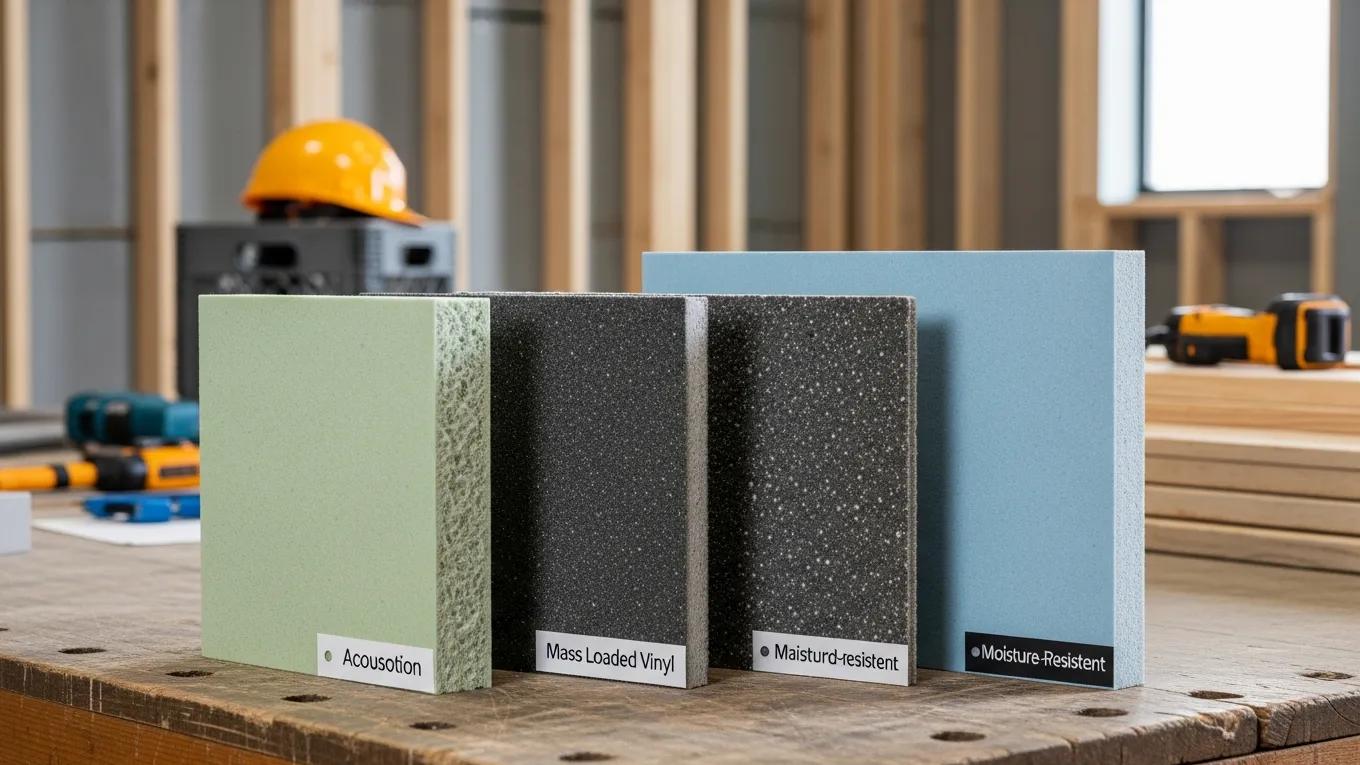
When it comes to soundproof drywall, several materials stand out for their acoustic insulation properties.
- Types of Drywall with Superior Soundproofing Properties:Mass Loaded Vinyl (MLV): This heavy material can be added to standard drywall to enhance soundproofing.Acoustic Drywall: Specifically designed for soundproofing, it contains sound-dampening materials that reduce noise transmission.Moisture-Resistant Drywall: This type not only provides soundproofing but also resists mold and mildew, making it ideal for humid environments.
Further elaborating on the variety of soundproofing options, studies often compare different soundproof wall panels to identify the most optimal solutions for acoustic comfort in construction.
Soundproof Wall Panels for Acoustic Comfort in Construction
In connection with the increased demand for acoustic comfort in the construction market, many soundproof structures and materials have appeared. The paper compares the main soundproof wall panels and chooses the most optimal variant. The main properties and characteristics of the panels are presented in tabular form.
Technical and economic comparison of soundproof wall panels, 2019
- How Do Moisture-Resistant and Acoustic Drywall Materials Enhance Durability and Performance?:Moisture-resistant drywall is crucial in areas prone to humidity, as it prevents damage and maintains structural integrity. Acoustic drywall, on the other hand, is engineered to absorb sound waves, significantly improving the acoustic performance of a space. Together, these materials ensure that soundproof drywall installations are both effective and long-lasting.
How Does Professional Framing Impact Soundproof Wall Construction?
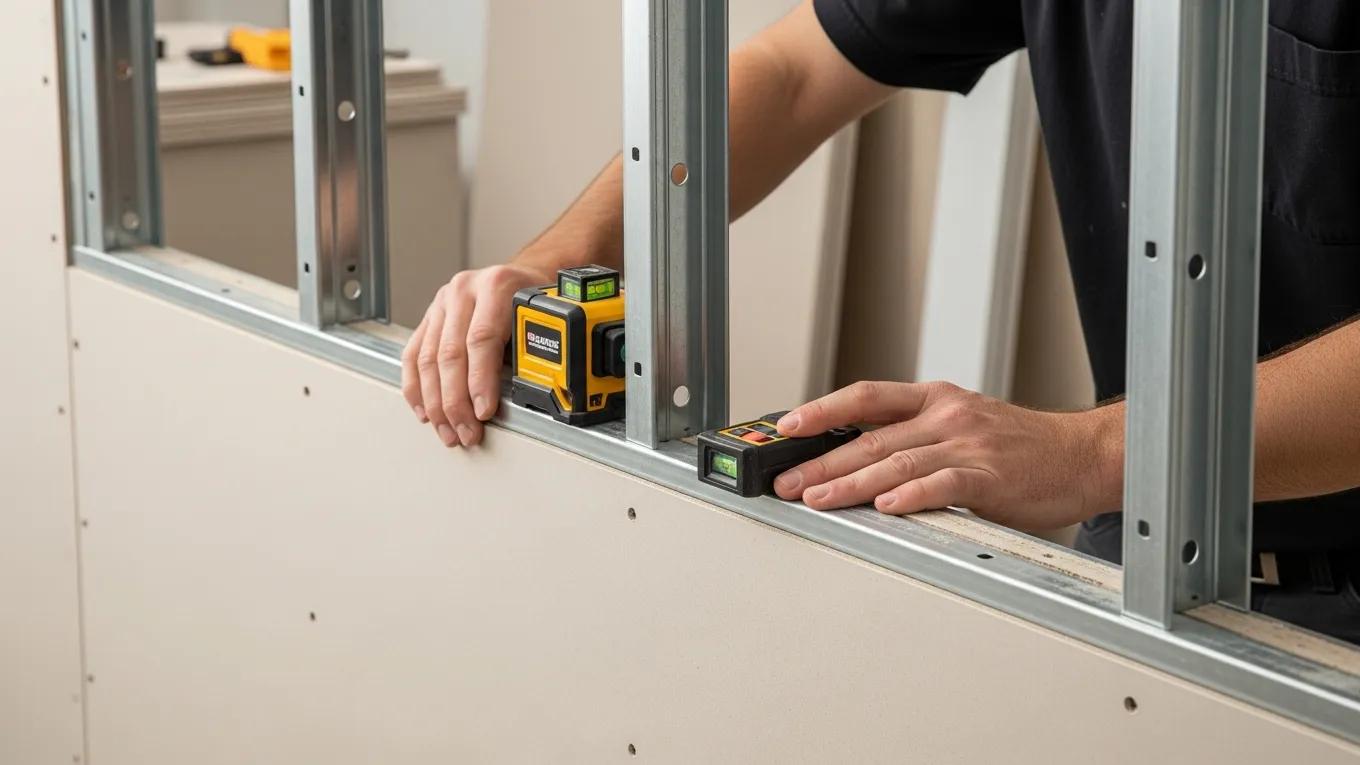
The framing of a wall is a critical factor in the effectiveness of soundproof drywall installation.
- What Are the Differences Between Wood Framing and Metal Framing for Soundproof Drywall Installation?:Wood Framing: Offers natural sound absorption properties but may not provide the same level of structural integrity as metal.Metal Framing: Provides a more rigid structure, which can enhance the overall soundproofing effectiveness when combined with soundproof drywall.
- How Does Expert Framing Contribute to Structural Integrity and Acoustic Performance?:Expert framing ensures that the drywall is installed correctly, minimizing gaps that could allow sound to leak through. Properly executed framing techniques can significantly enhance the acoustic performance of soundproof drywall, making it a worthwhile investment for any construction project.
What Are the Best Drywall Installation Techniques to Maximize Soundproofing?
To achieve optimal soundproofing results, specific installation techniques should be employed.
- Which Installation Methods Improve Sound Transmission Class Ratings?:Double Layering: Installing two layers of drywall with a sound-dampening compound in between can greatly improve sound transmission class (STC) ratings.Resilient Channels: These are metal strips that decouple the drywall from the framing, reducing sound transmission.
- How Do Finishing Techniques and Surface Preparation Affect Soundproof Drywall Effectiveness?:Proper finishing techniques, such as sealing joints and using soundproof caulk, can prevent sound leaks. Surface preparation is equally important, as it ensures that the drywall adheres properly and functions effectively as a sound barrier.
How Do Acoustic Ceiling Systems Integrate with Soundproof Drywall Installation?
Acoustic ceiling systems are an essential component of comprehensive soundproofing strategies.
- What Role Do Acoustic Ceiling Systems Play in Enhancing Interior Soundproofing?:These systems work in conjunction with soundproof drywall to absorb sound waves, further reducing noise levels in a space. By integrating acoustic ceilings, builders can create a more cohesive soundproofing solution that addresses both wall and ceiling sound transmission.
What Are the Cost Considerations and Benefits of Soundproof Drywall Installation?
When considering soundproof drywall installation, it is essential to evaluate the financial implications.
- How Does Soundproof Drywall Installation Impact Renovation Budgets and ROI?:While the initial investment in soundproof drywall may be higher than standard options, the long-term benefits, such as increased property value and reduced noise complaints, can lead to a favorable return on investment.
- What Are the Long-Term Advantages of Investing in Soundproof Wall Construction?:Investing in soundproof wall construction not only enhances comfort but also contributes to energy efficiency and overall property value. Homeowners and businesses alike can benefit from the peace of mind that comes with effective soundproofing solutions.
How Do Demolition and Surface Preparation Influence Soundproof Drywall Performance?
Proper demolition and surface preparation are crucial steps in ensuring the effectiveness of soundproof drywall.
- Why Is Proper Demolition Essential Before Installing Soundproof Drywall?:A thorough demolition process ensures that all existing materials that could compromise soundproofing are removed. This foundational step is vital for preventing sound leaks and ensuring that the new drywall performs optimally.
This table illustrates the trade-offs between different soundproofing materials, helping homeowners and contractors make informed decisions based on their specific needs and budget.
To ensure a successful soundproof drywall project, it’s essential to start with proper “demolition”. This involves carefully removing any existing materials that could compromise the acoustic performance of the new drywall.
Once the demolition is complete, the next step is “drywall installation”. This process requires precision and attention to detail to ensure that the drywall is properly fitted and sealed.
After the drywall is installed, the final step is “painting”. This not only enhances the aesthetic appeal of the wall but also provides an additional layer of protection against moisture and damage.
Looking for inspiration? Check out our “gallery” to see examples of our completed projects and get ideas for your own soundproof drywall installation.
For those interested in learning more about our services, visit “Framing to Drywall” to explore the full range of solutions we offer.